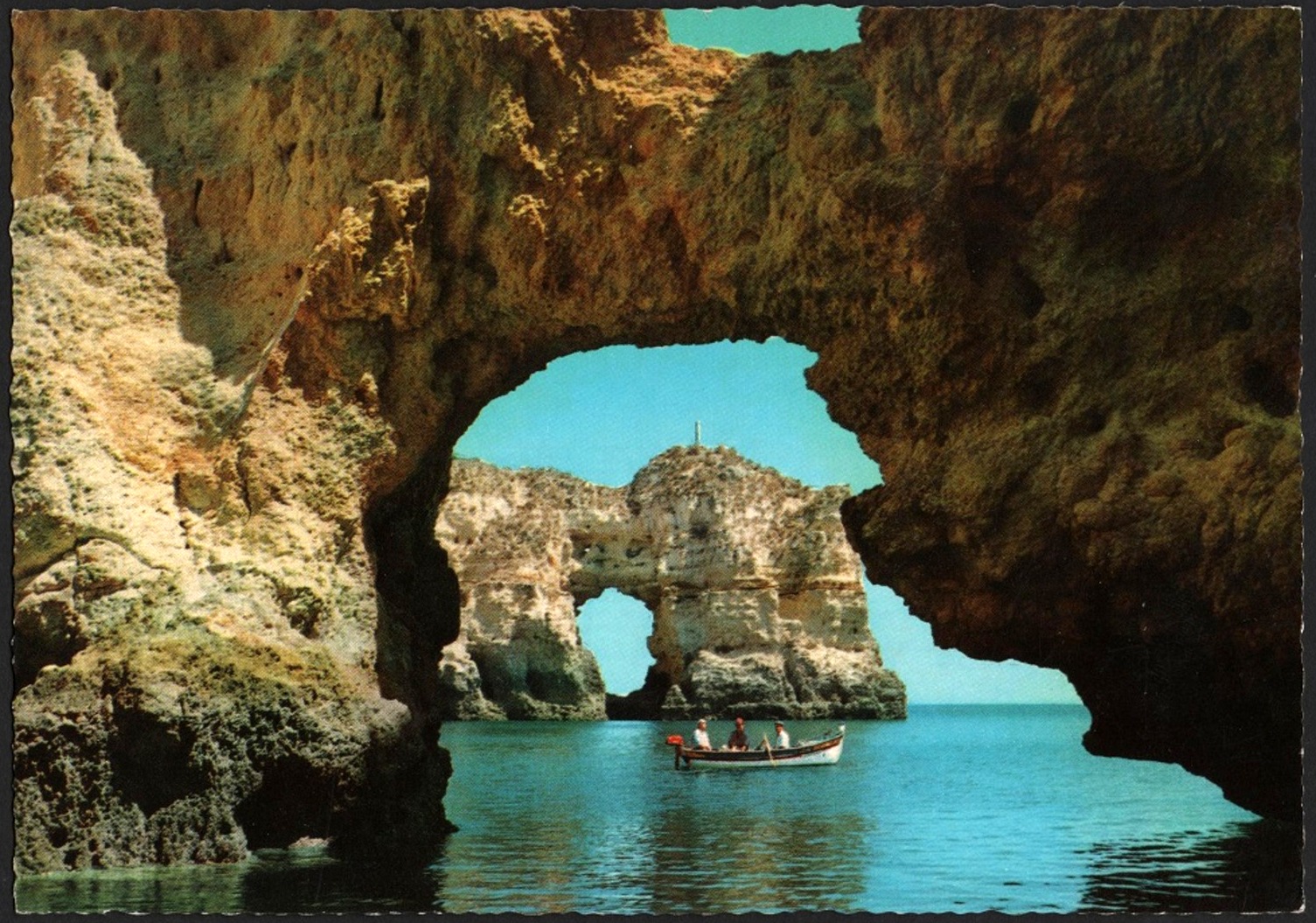
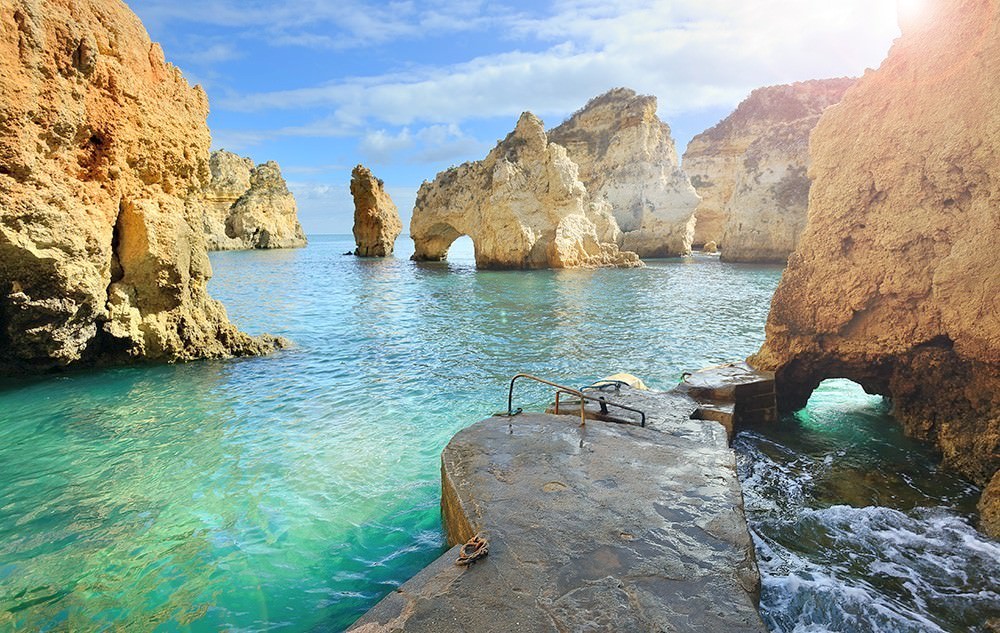
Lagos
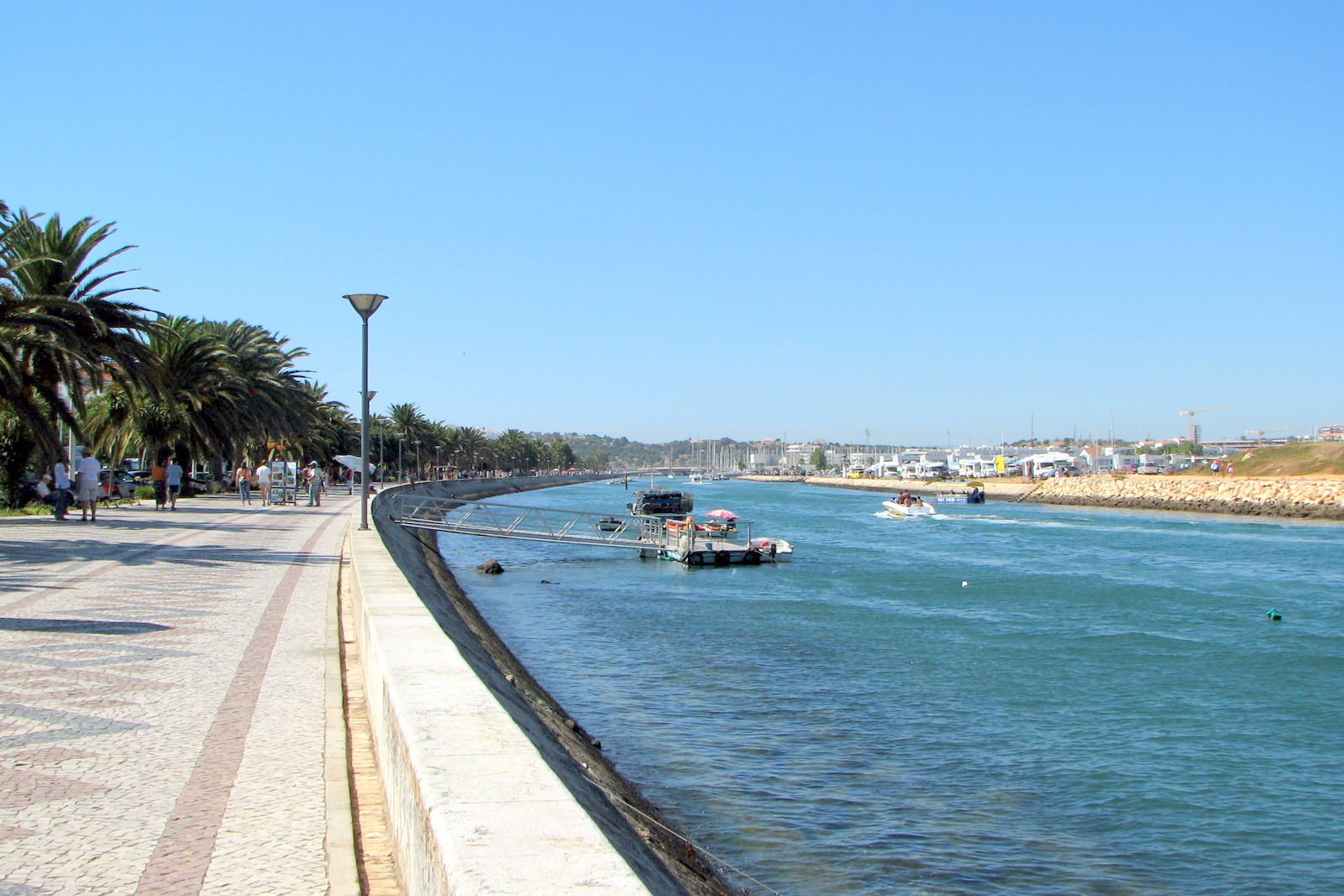
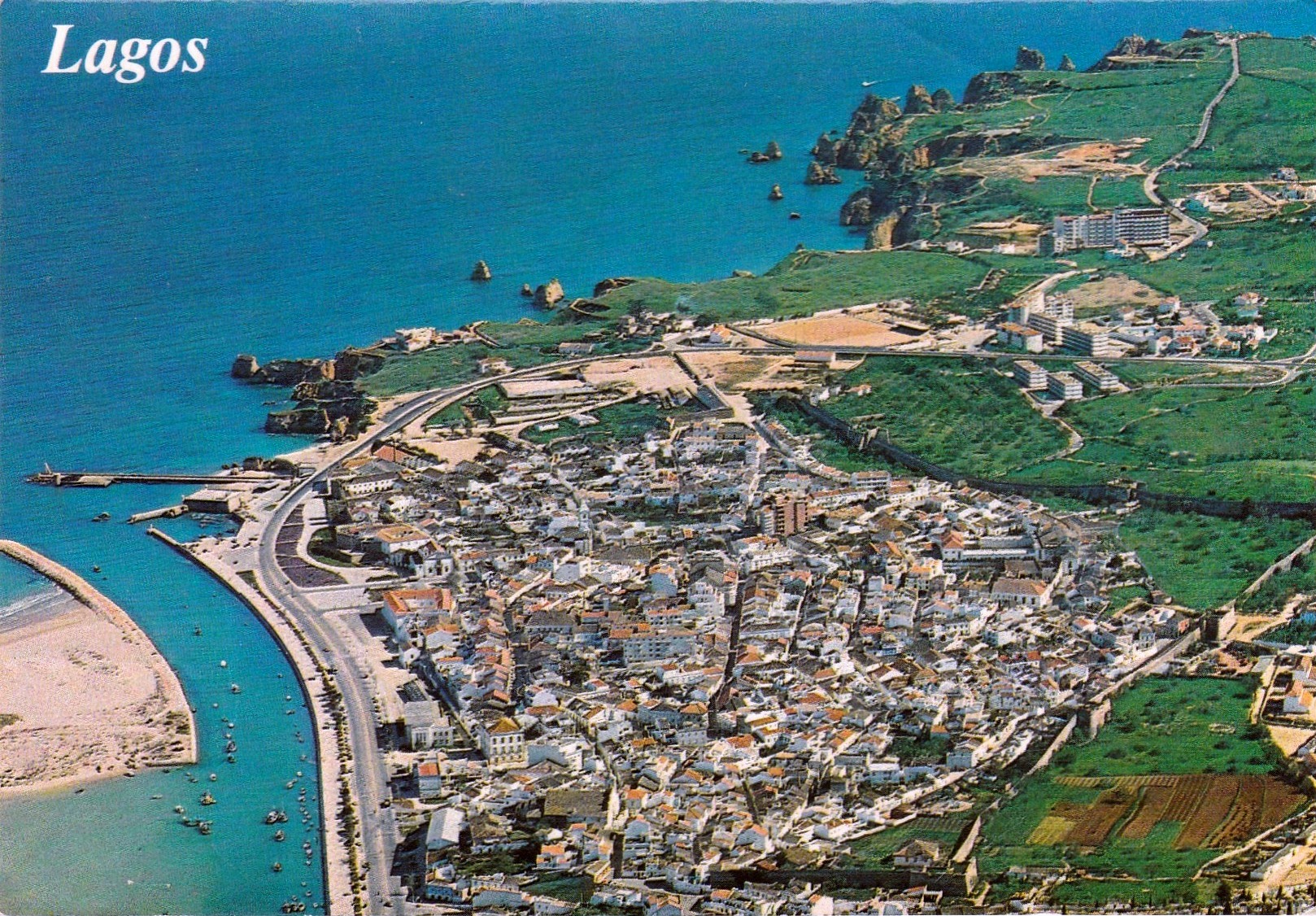
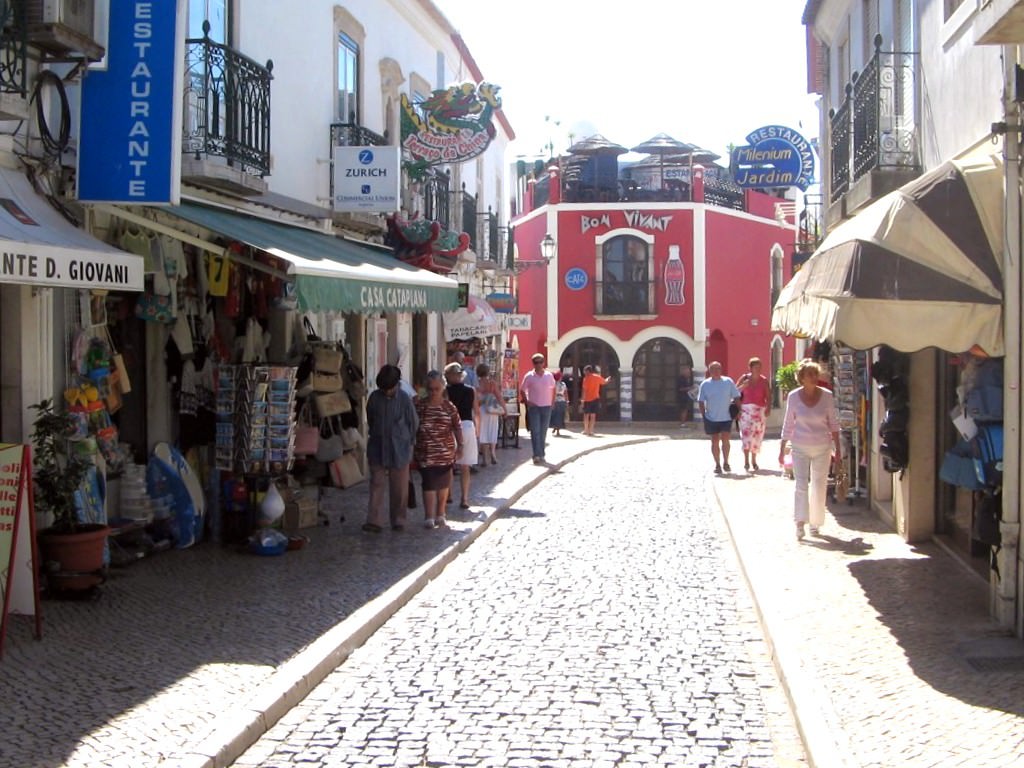
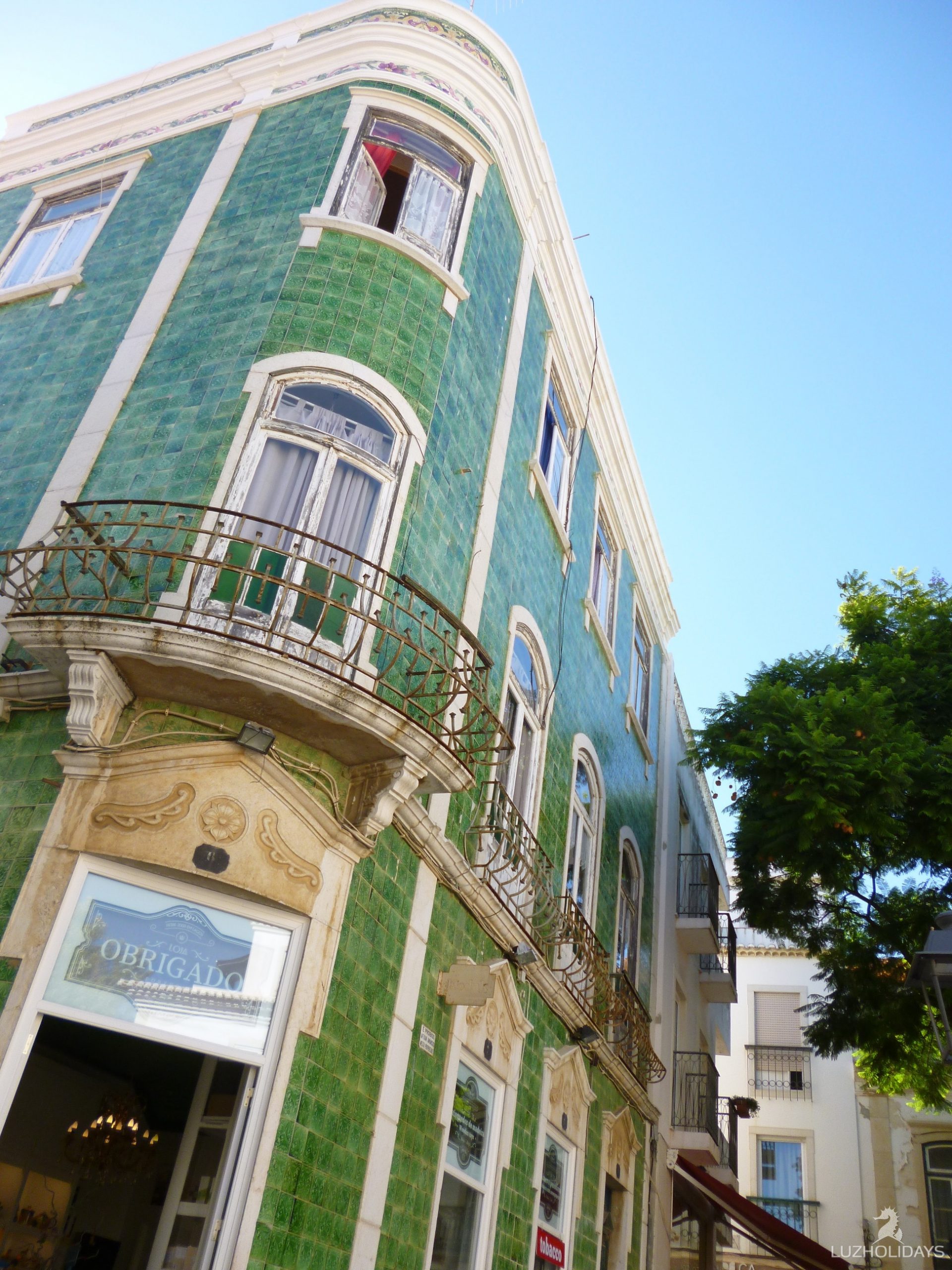
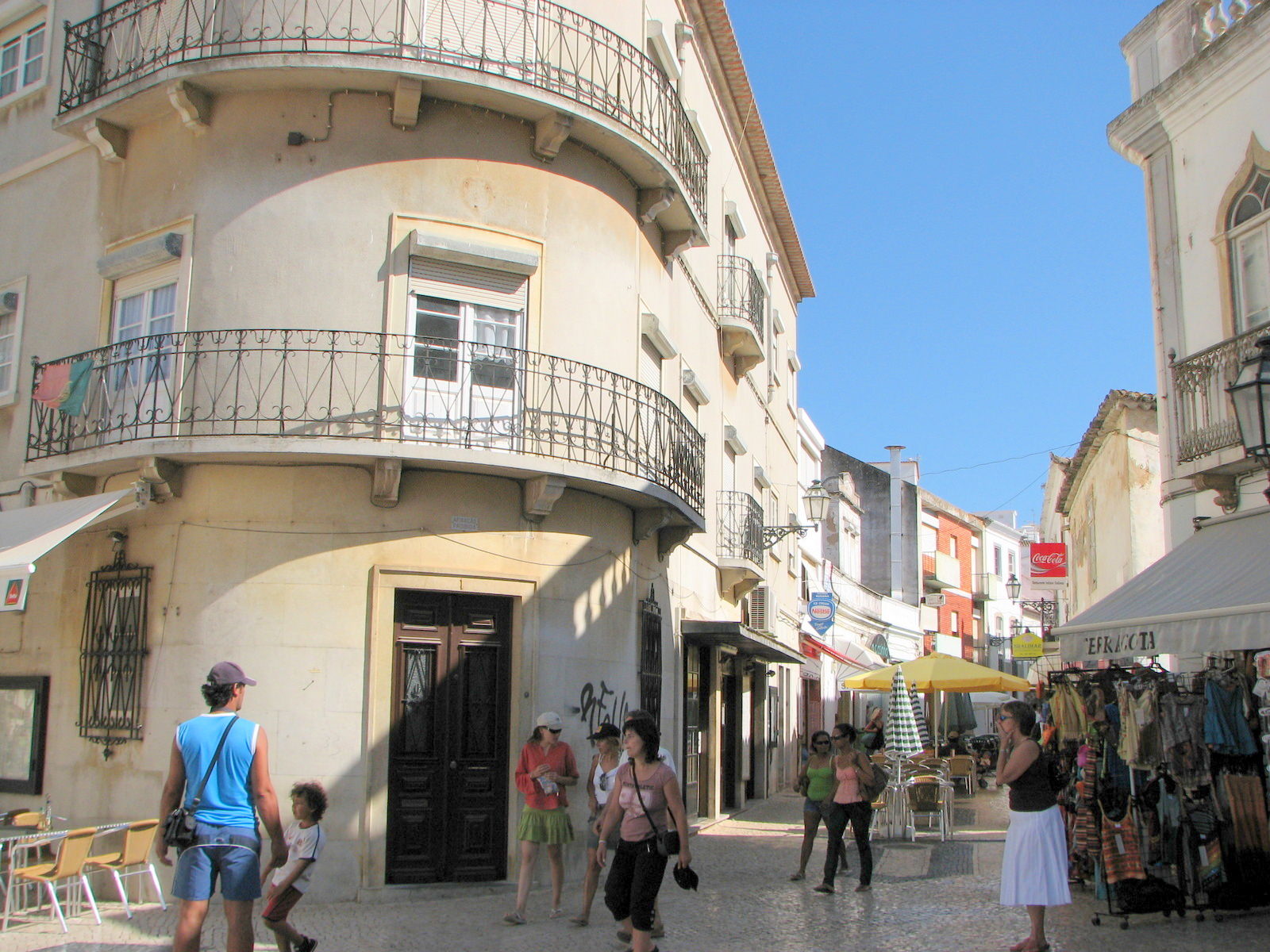
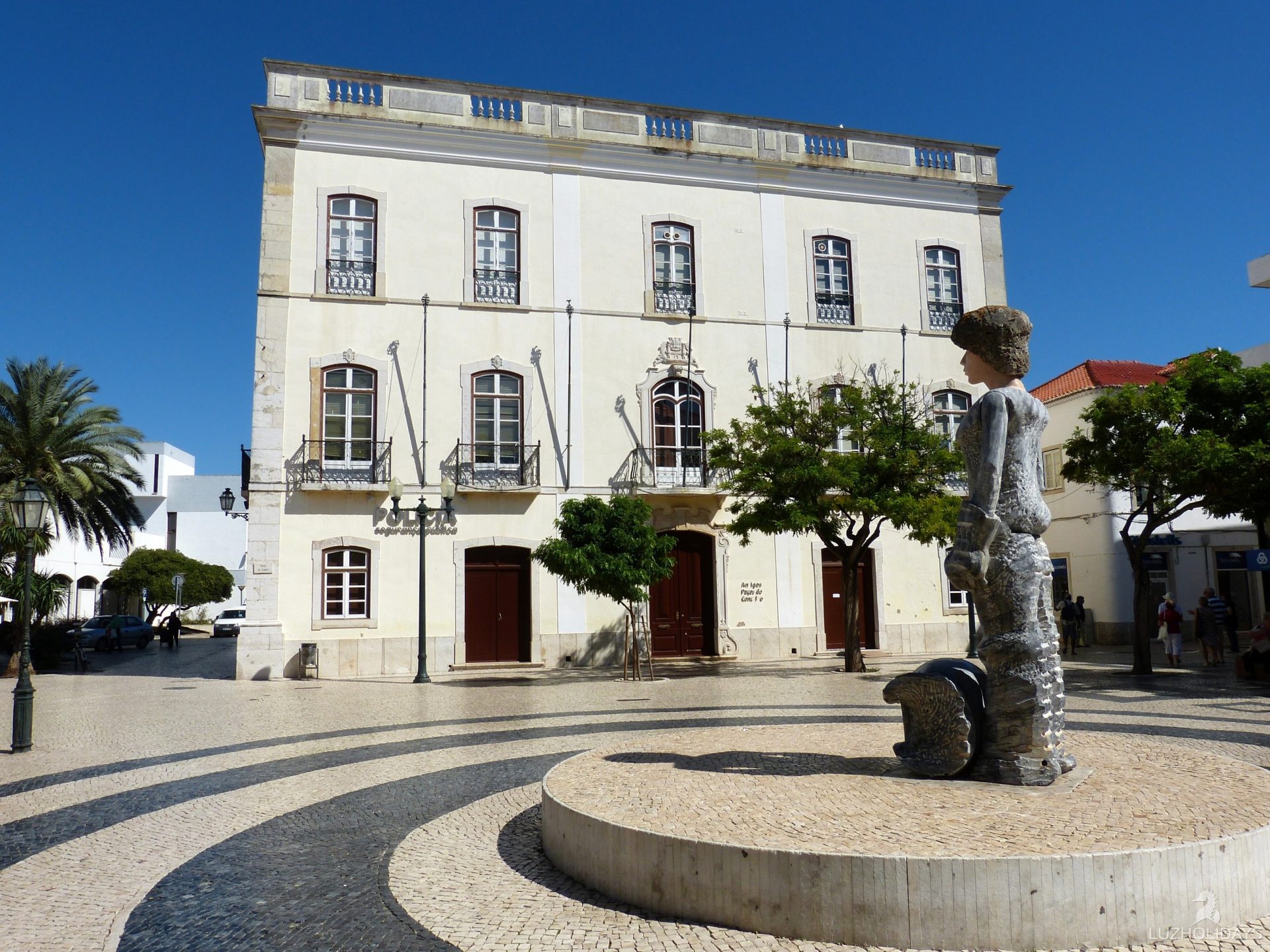
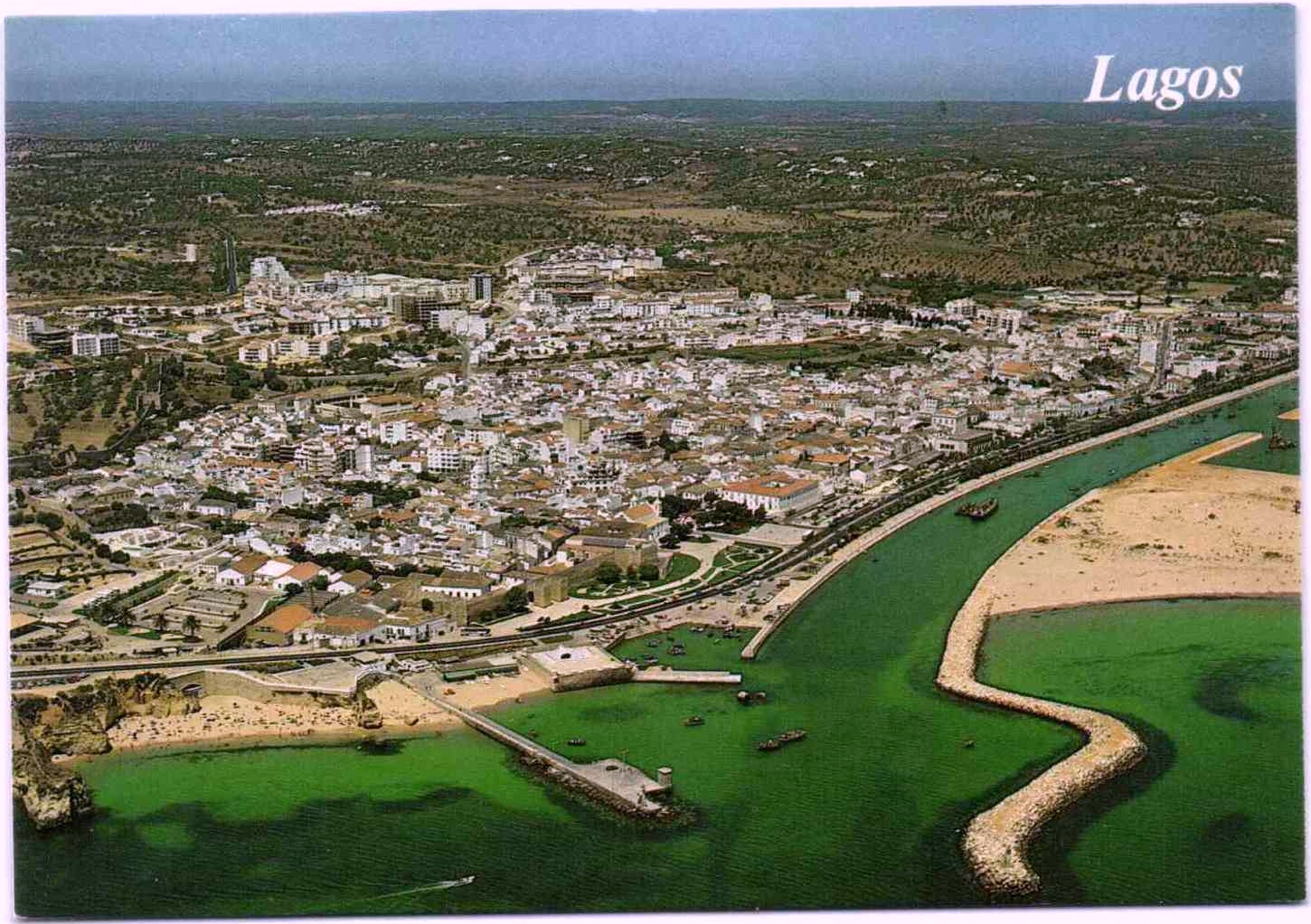
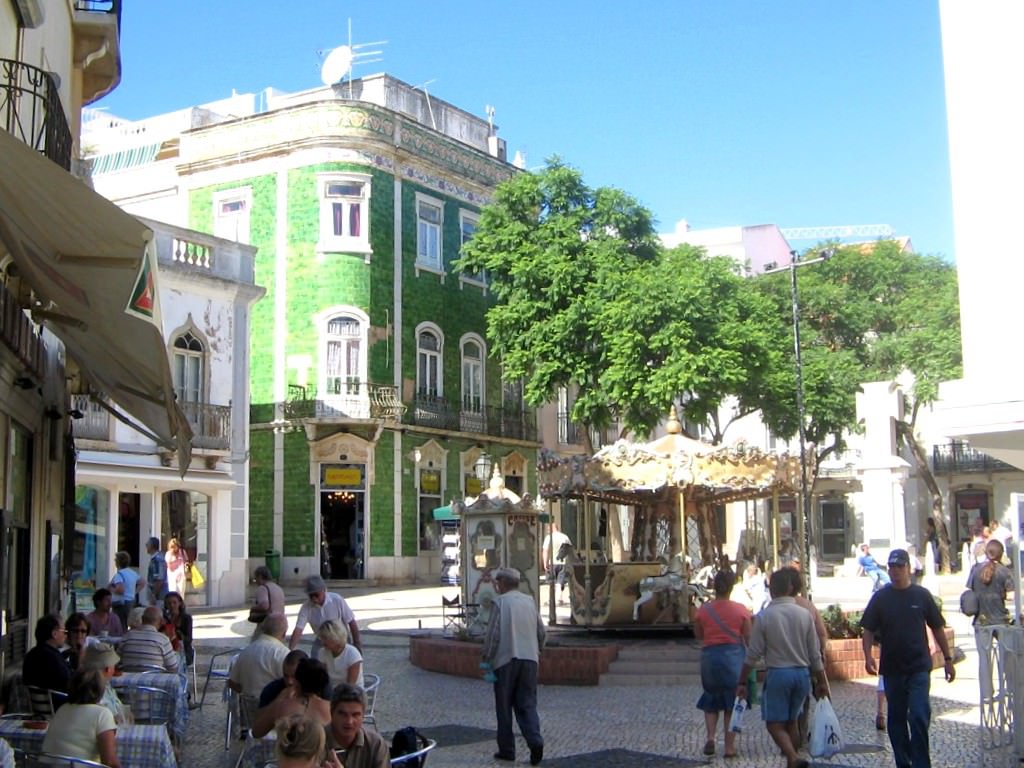
Lagos is a city and a municipality in the southern region of Algarve, in Portugal. The municipality has a total population of 27,041 inhabitants. The majority of the population lives along the coastal line and works in tourism and services. The inland region in sparsely inhabited, with the majority of the people working in agriculture and forestry.
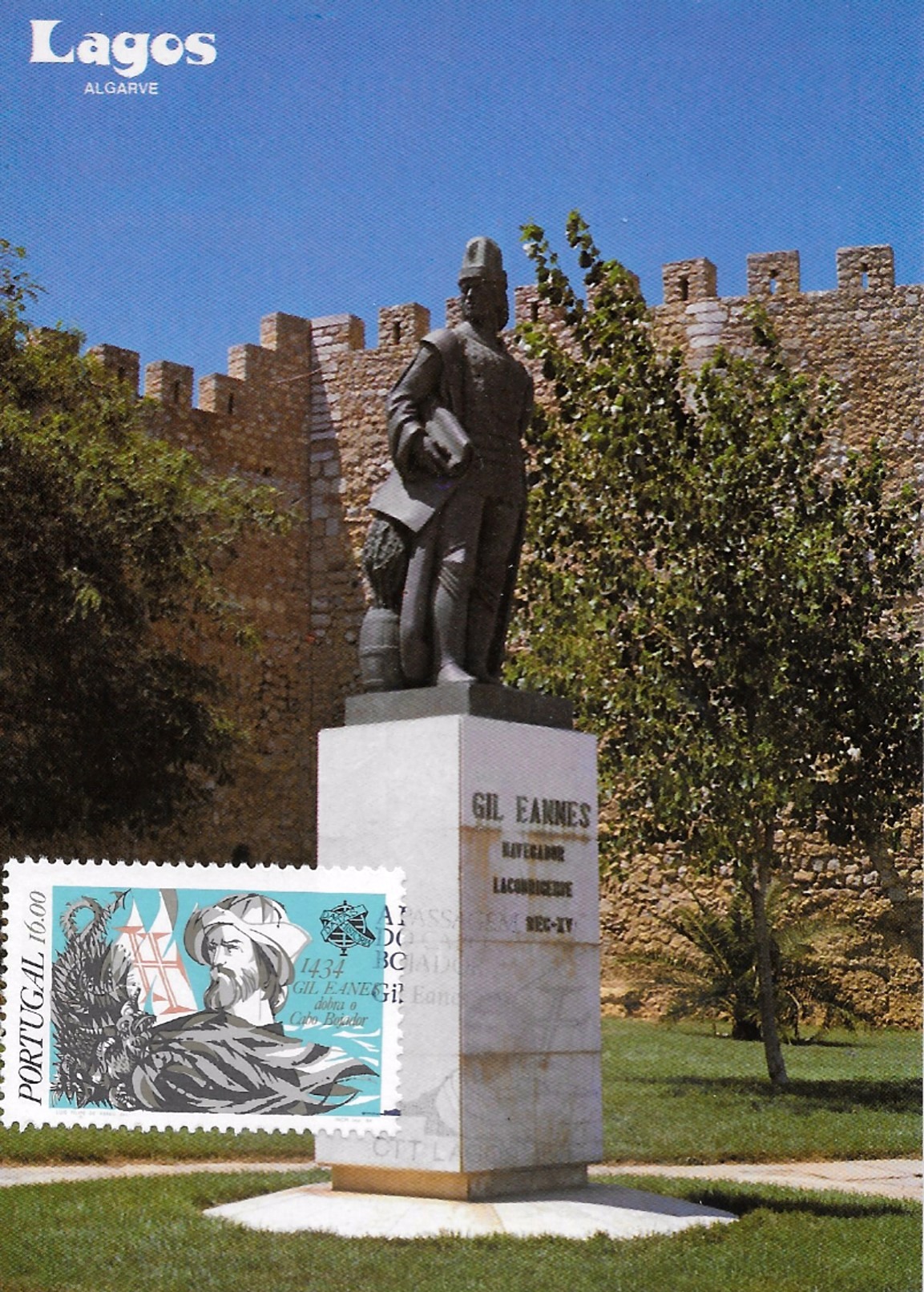
Lagos is located approximately 35 kilometers east of the southwesternmost point of Europe, the locality of Sagres Point. To the north of Lagos stands the road to Milfontes and Sines, that winds through the scenic protected ladscape of the Southwest Natural Park.
History
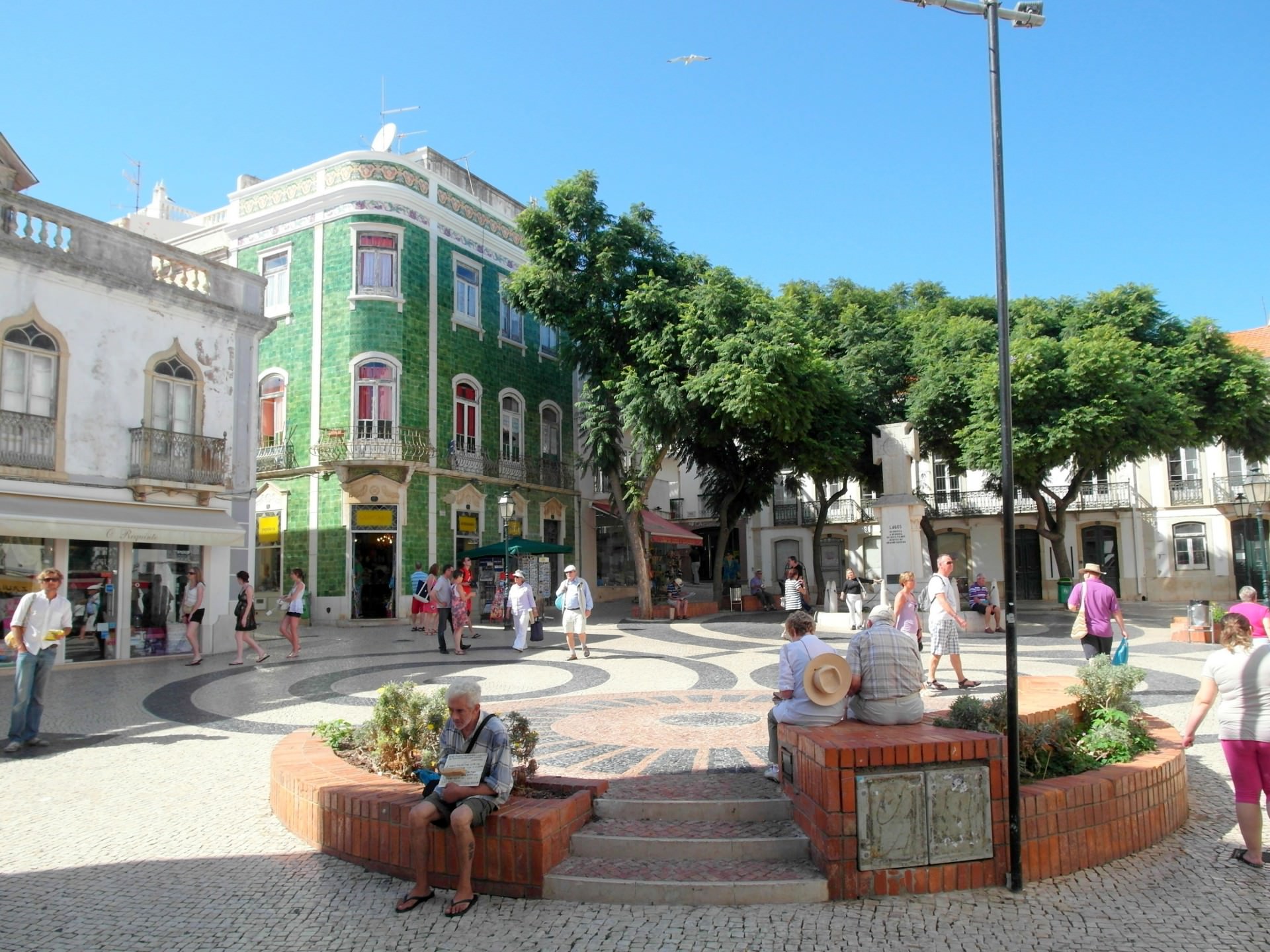
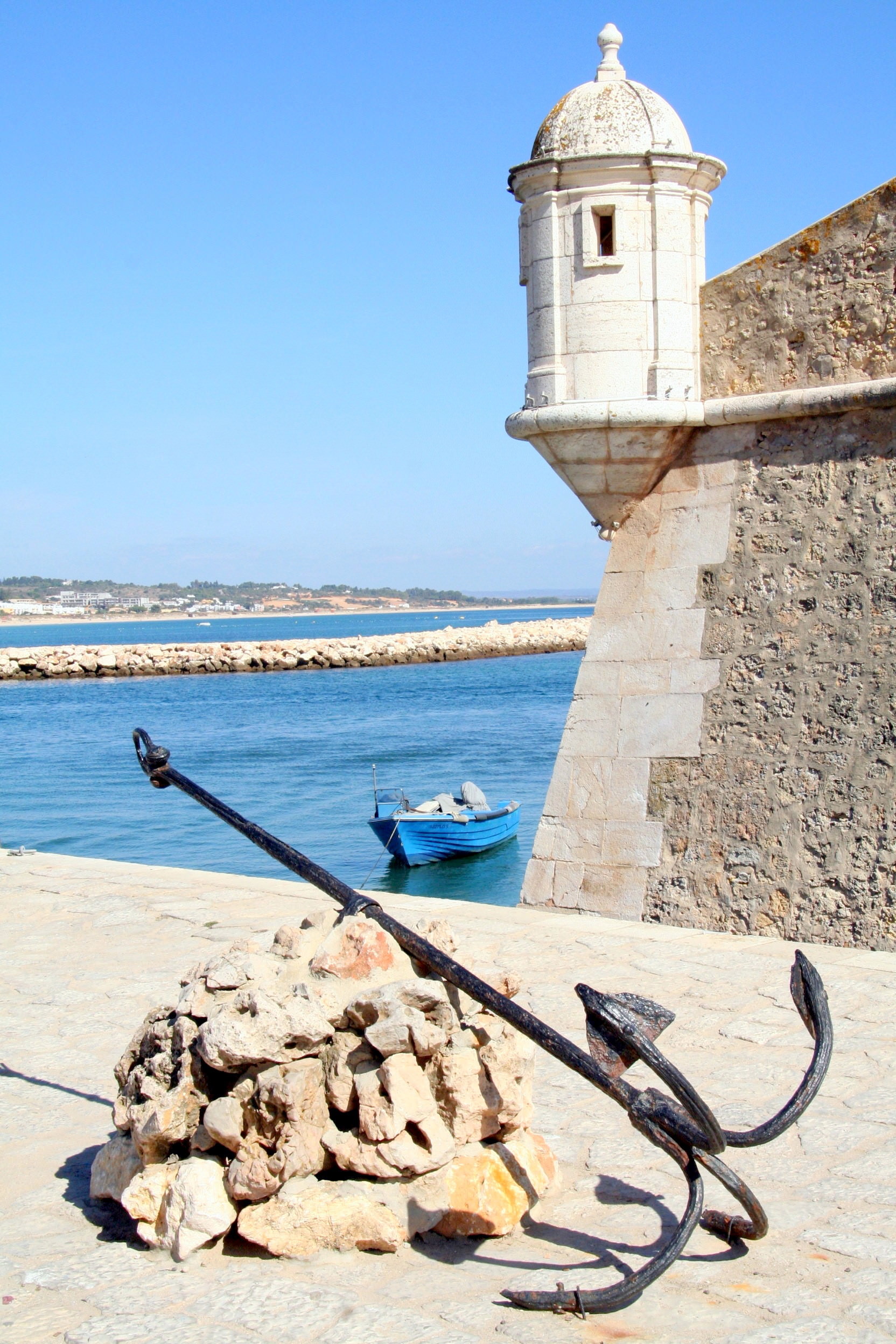
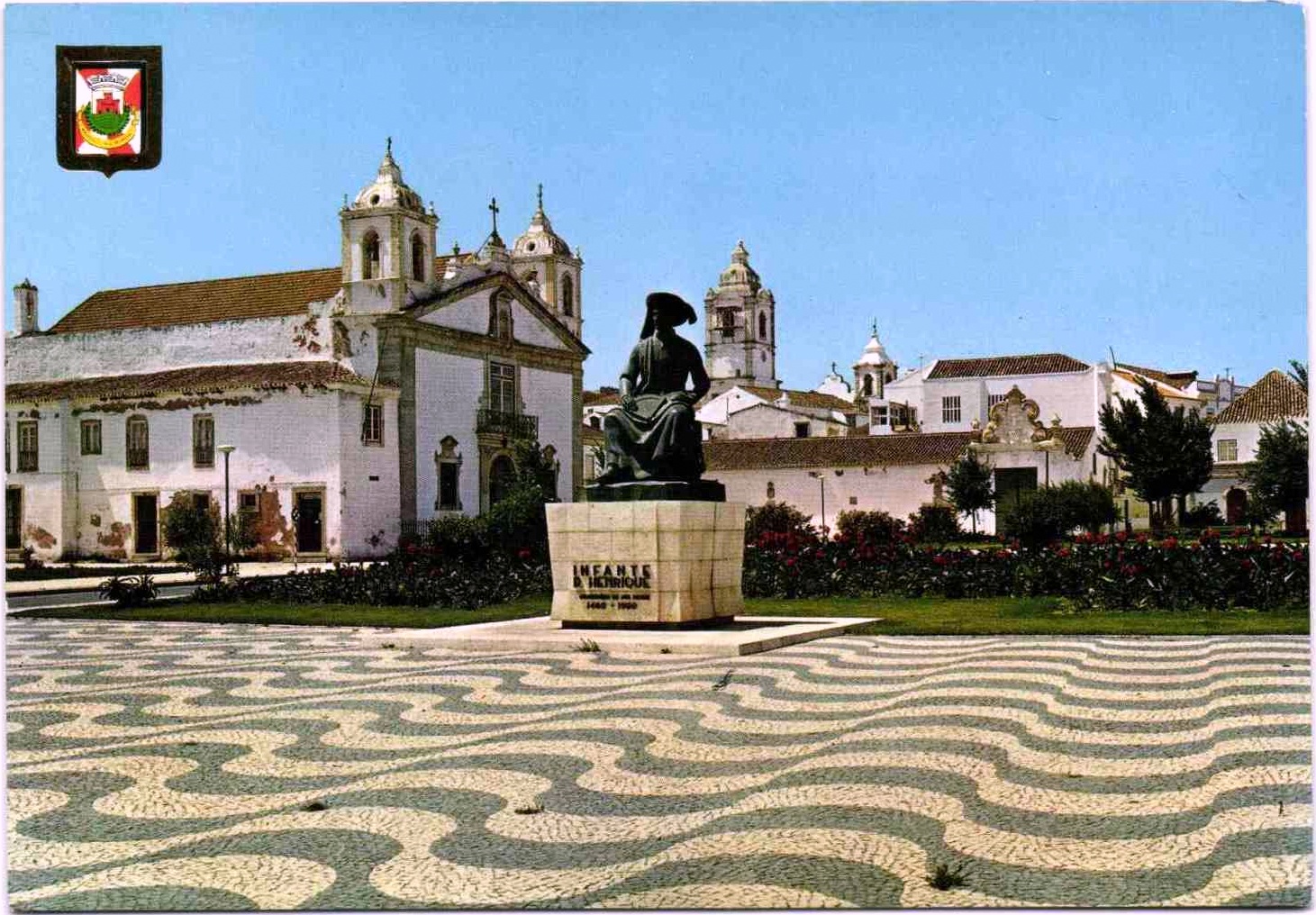
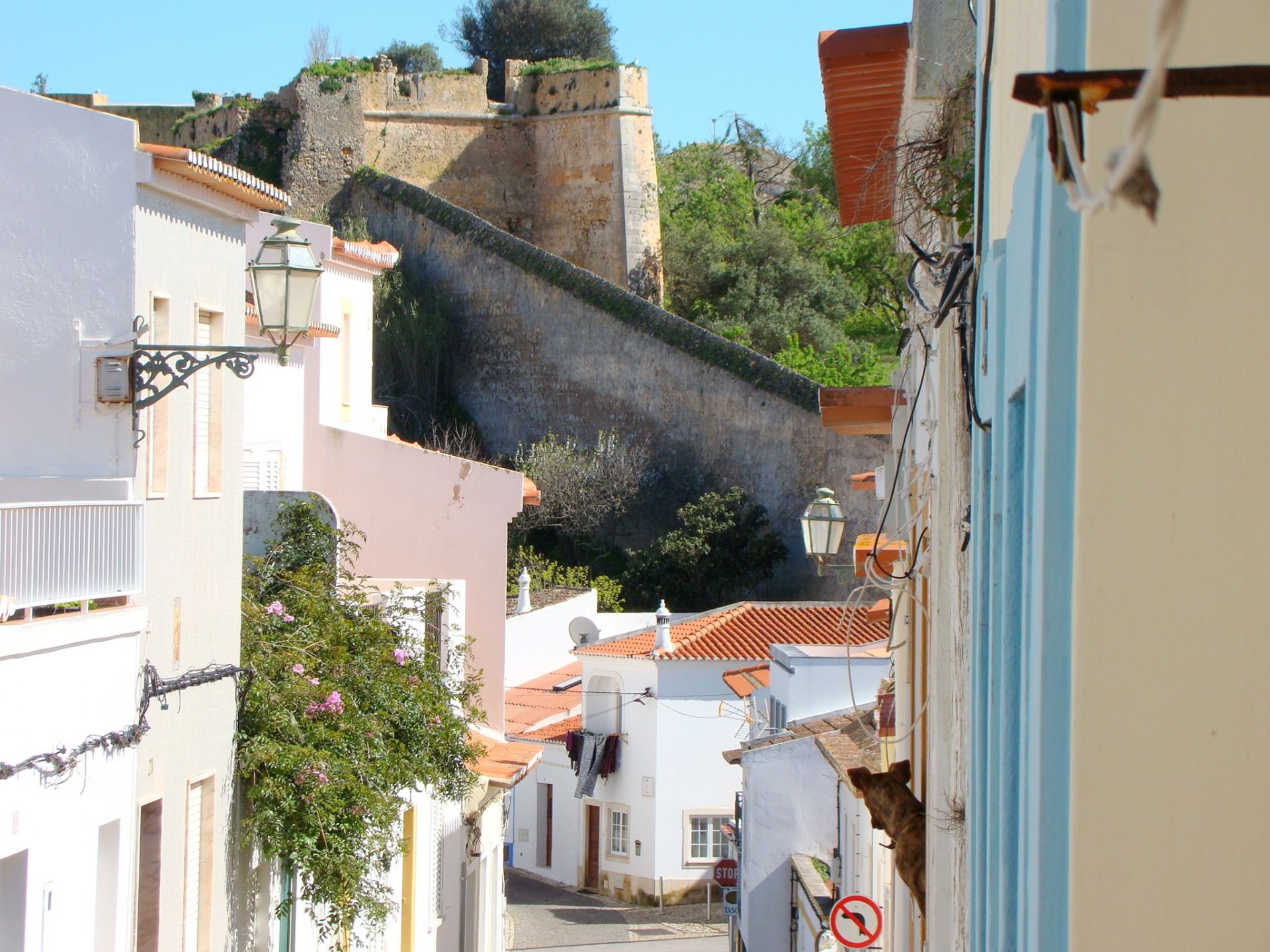
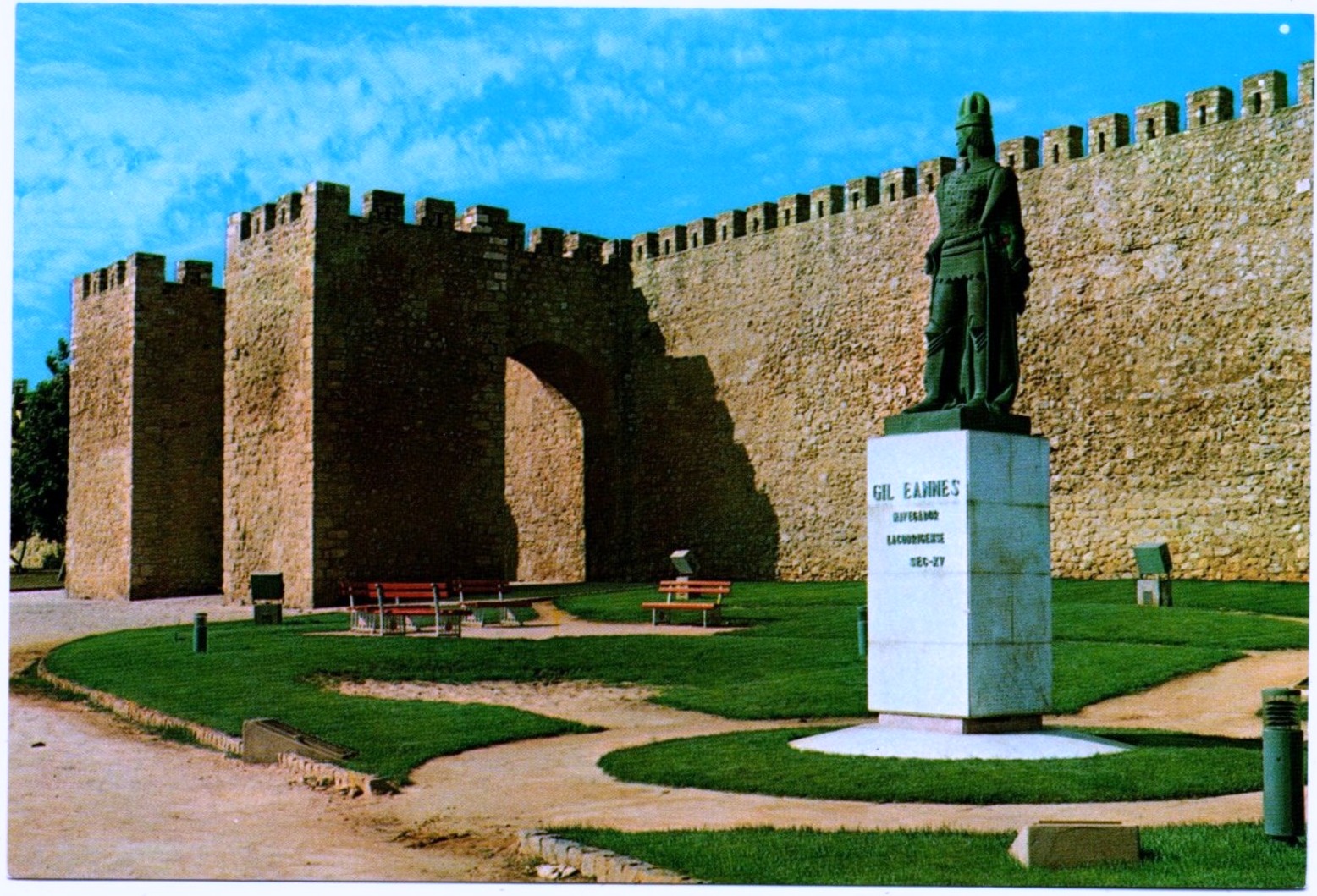
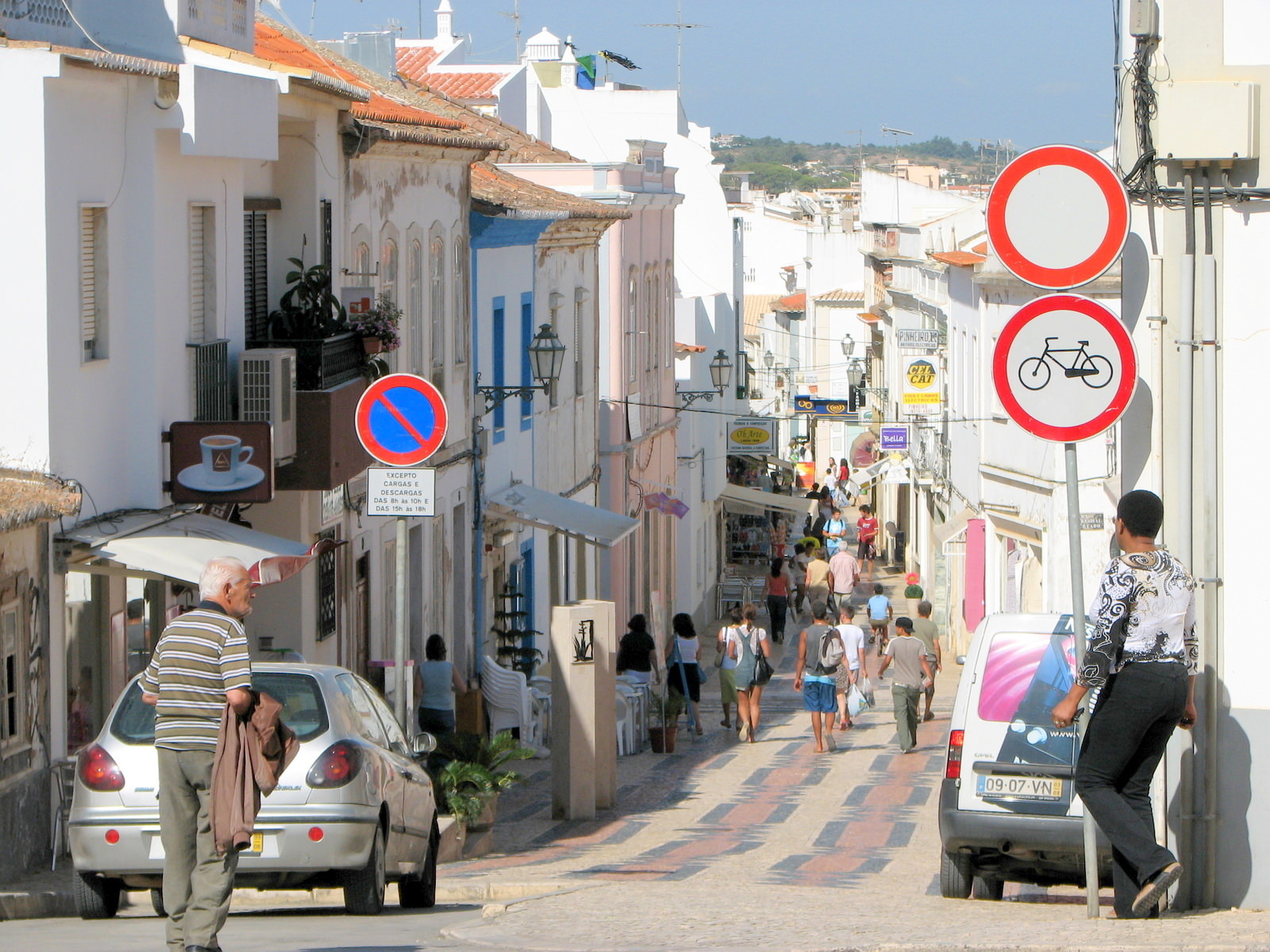
Lagos is an ancient maritime town with 2,000 years of history. It became important during the 15th century period of Portuguese exploration. Prince Henry the Navigator lived in Lagos, and from there expeditions to Morocco and to the western coast of Africa were embarked on. Nigeria’s former capital, Lagos, was named after the Portuguese location. The old Portuguese town was a very beautiful city with many monuments until it was destroyed by the earthquake and tsunami of 1755, but it still preserves some walls from the 16th century, a governor’s castle and an ancient slave market.
Economy and culture
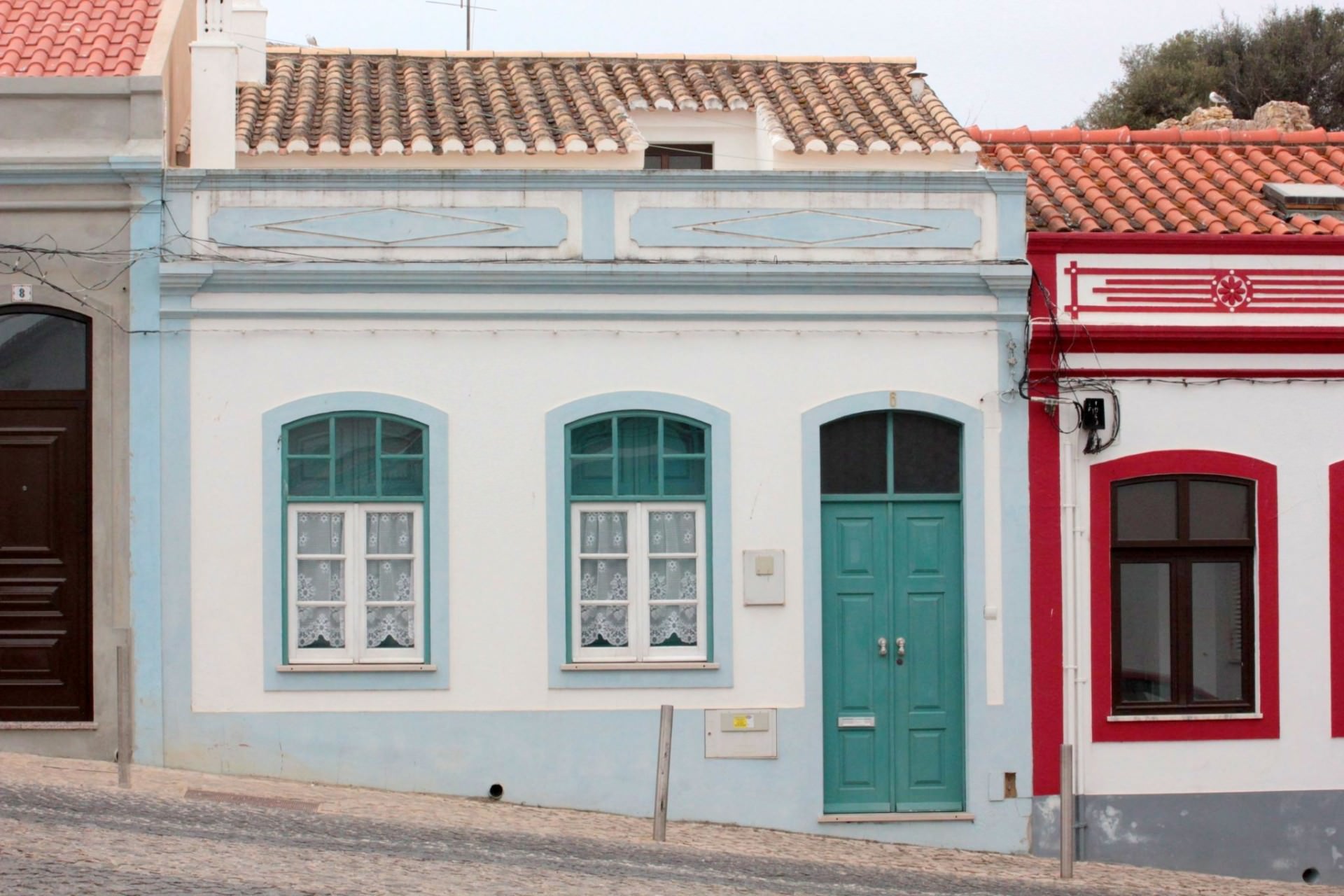
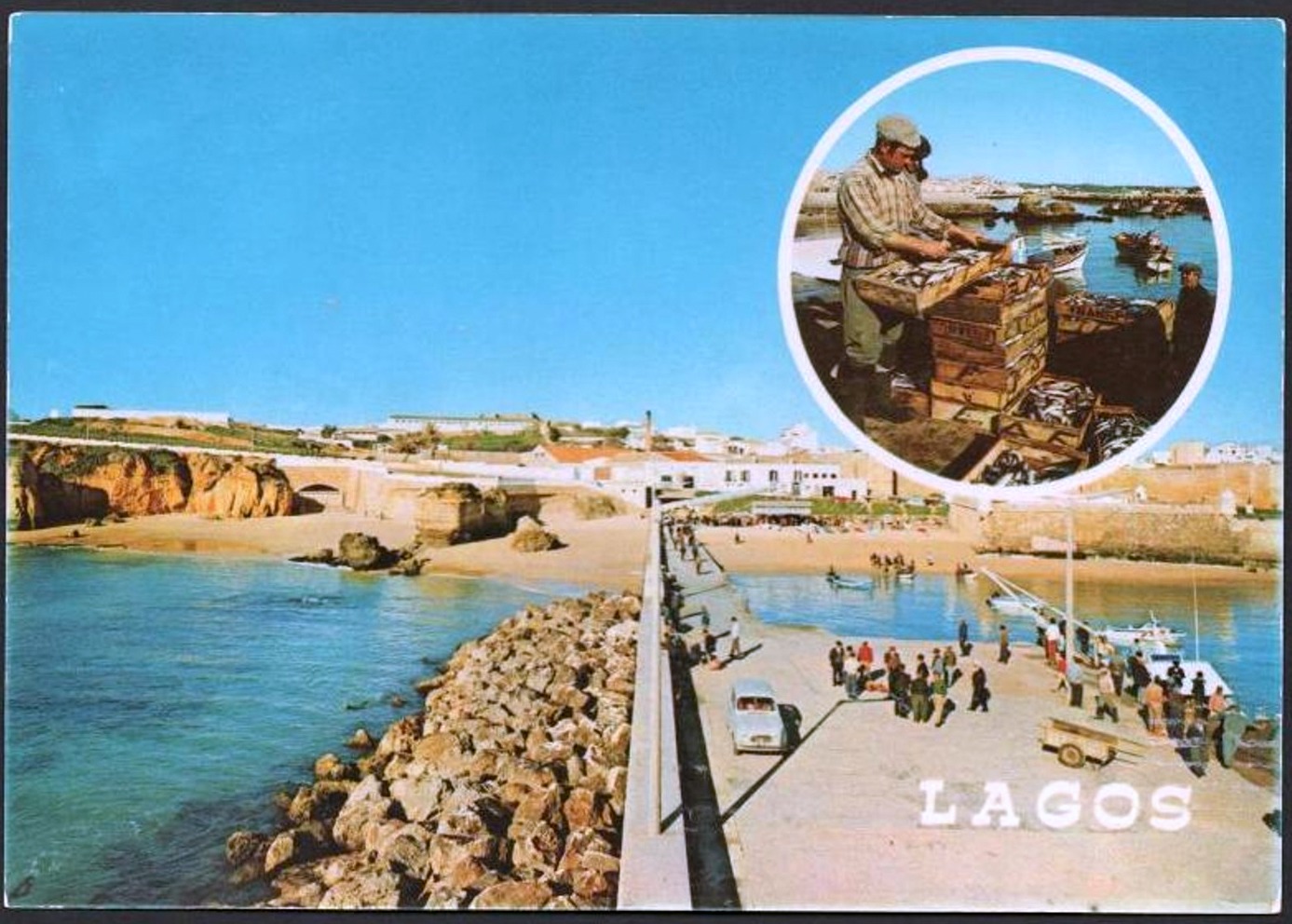
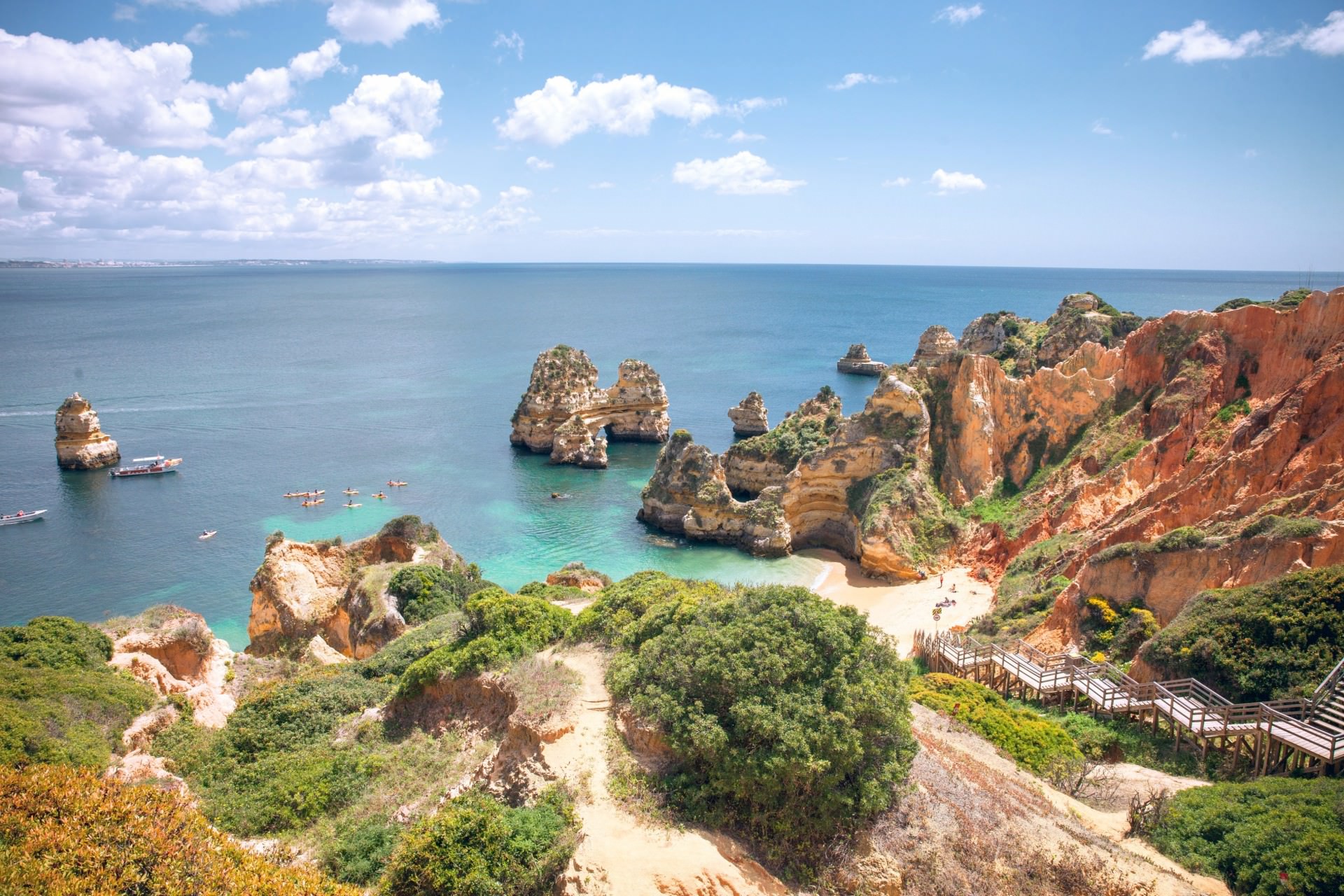
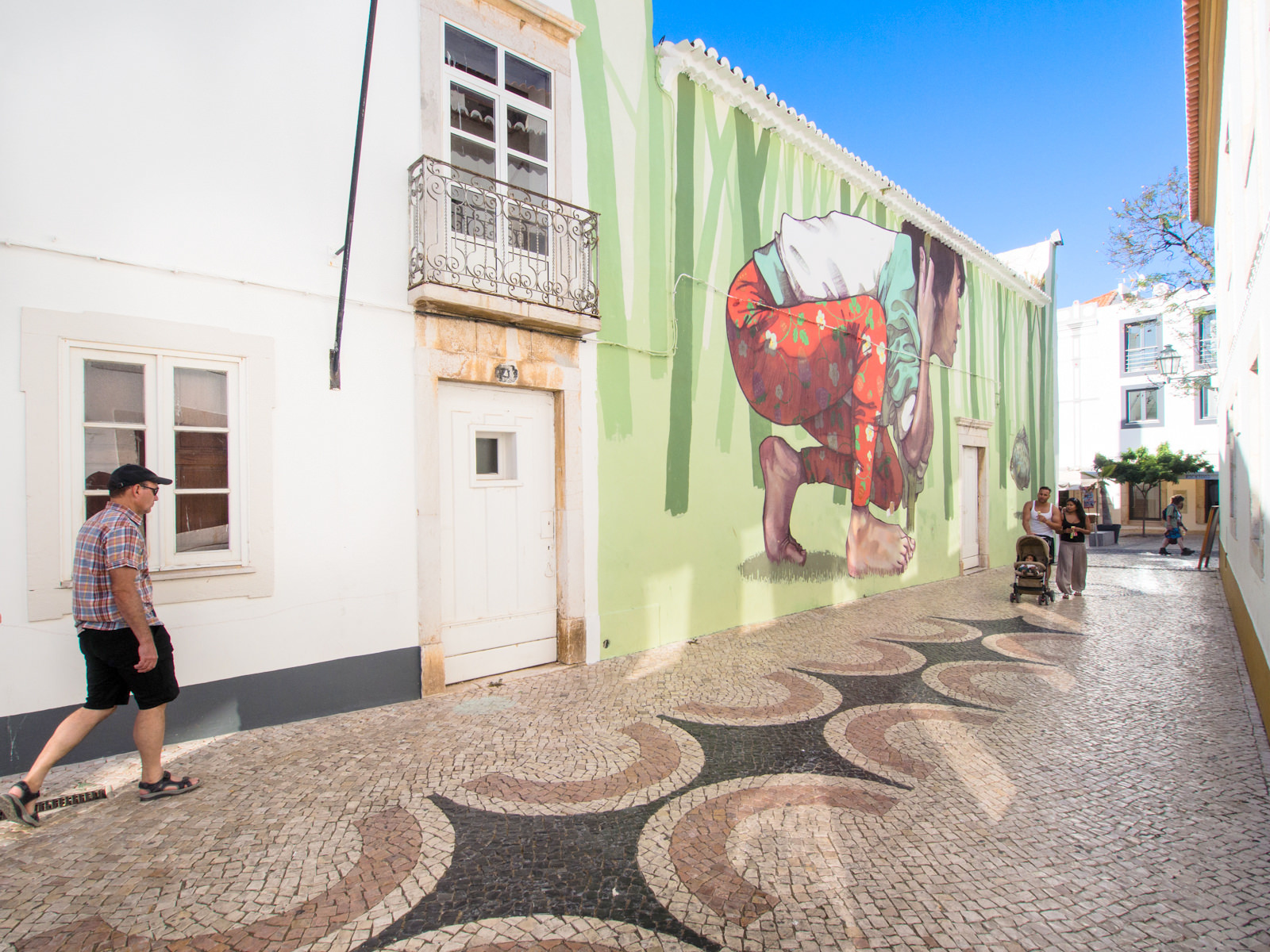
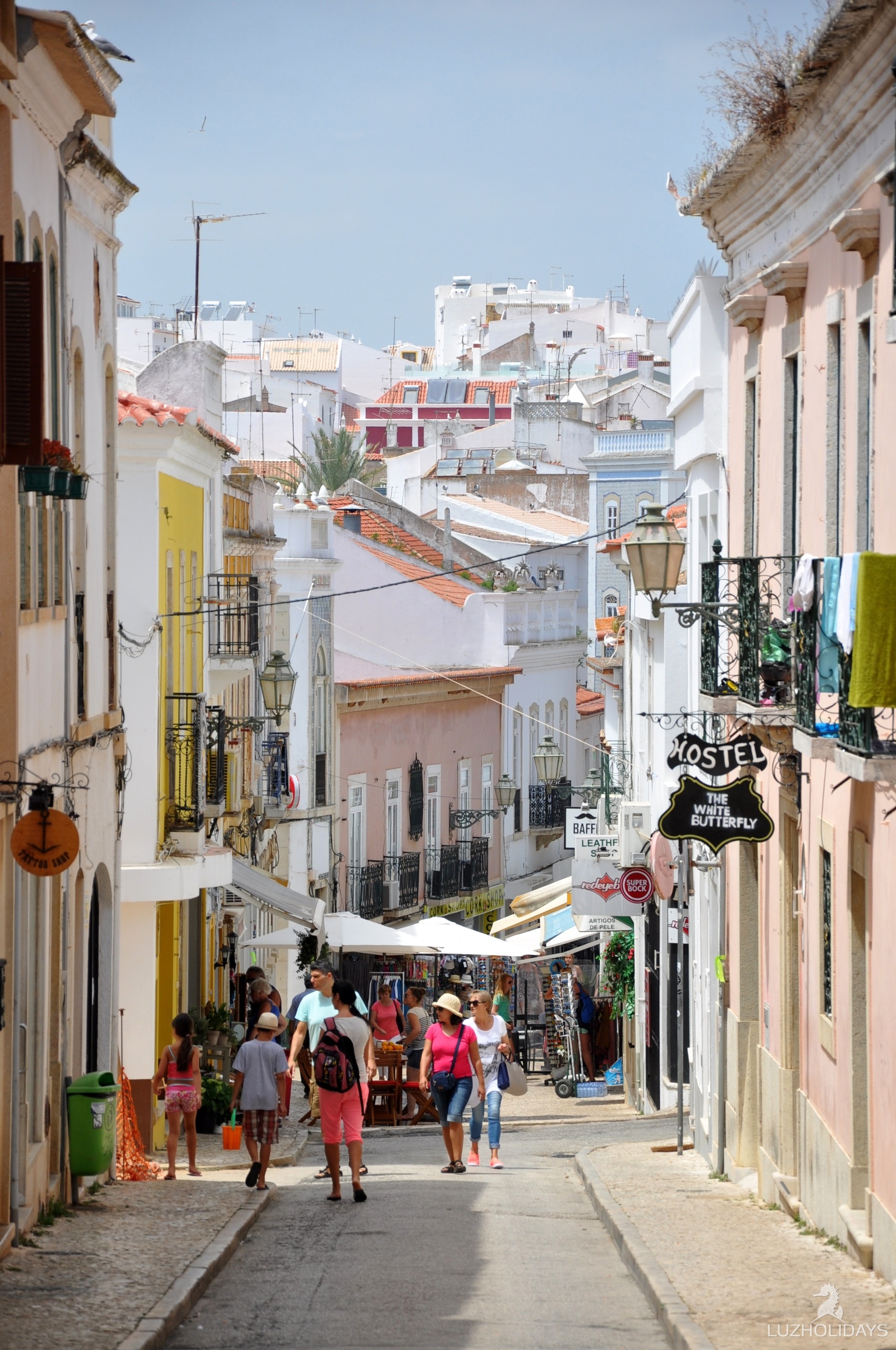
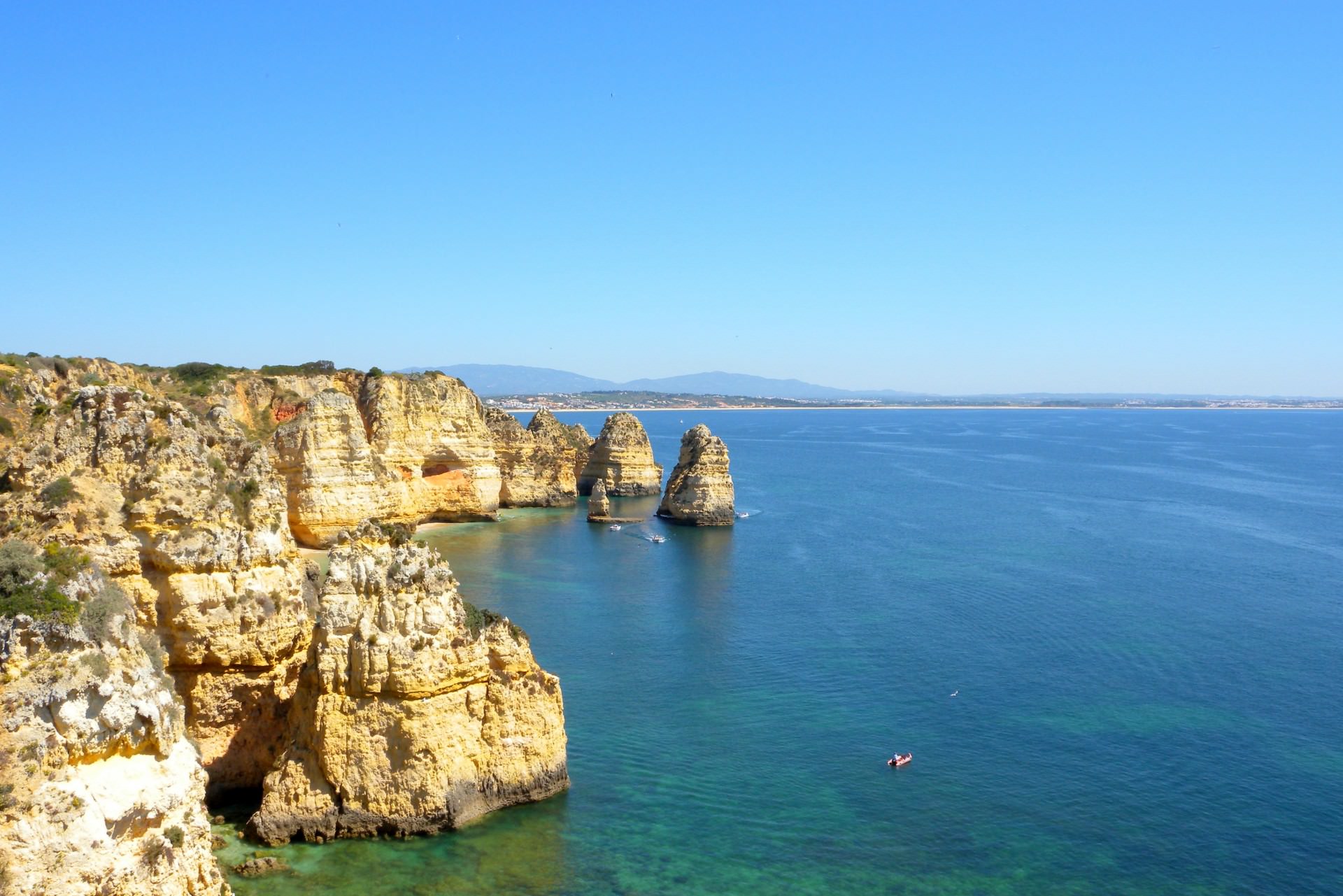
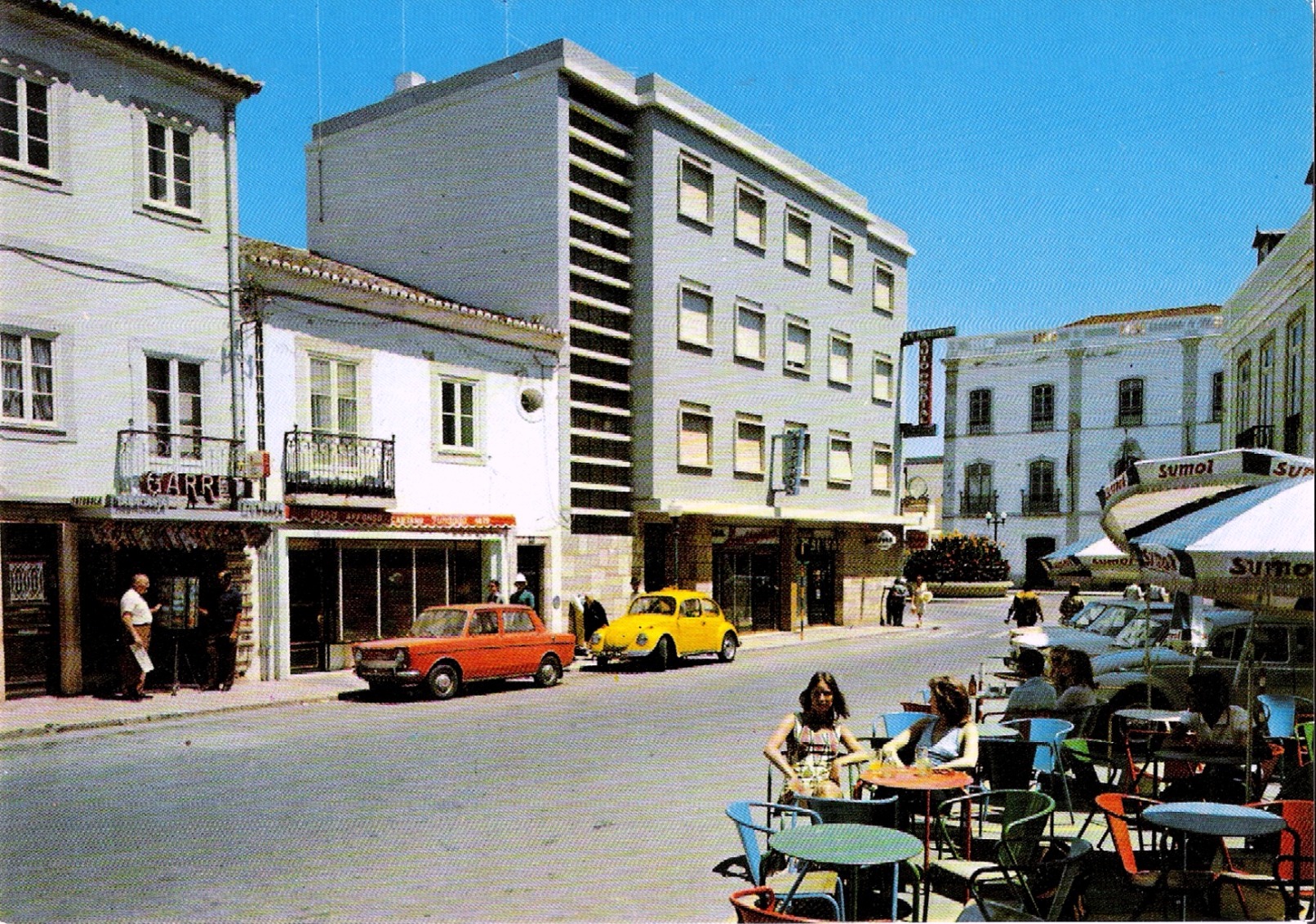
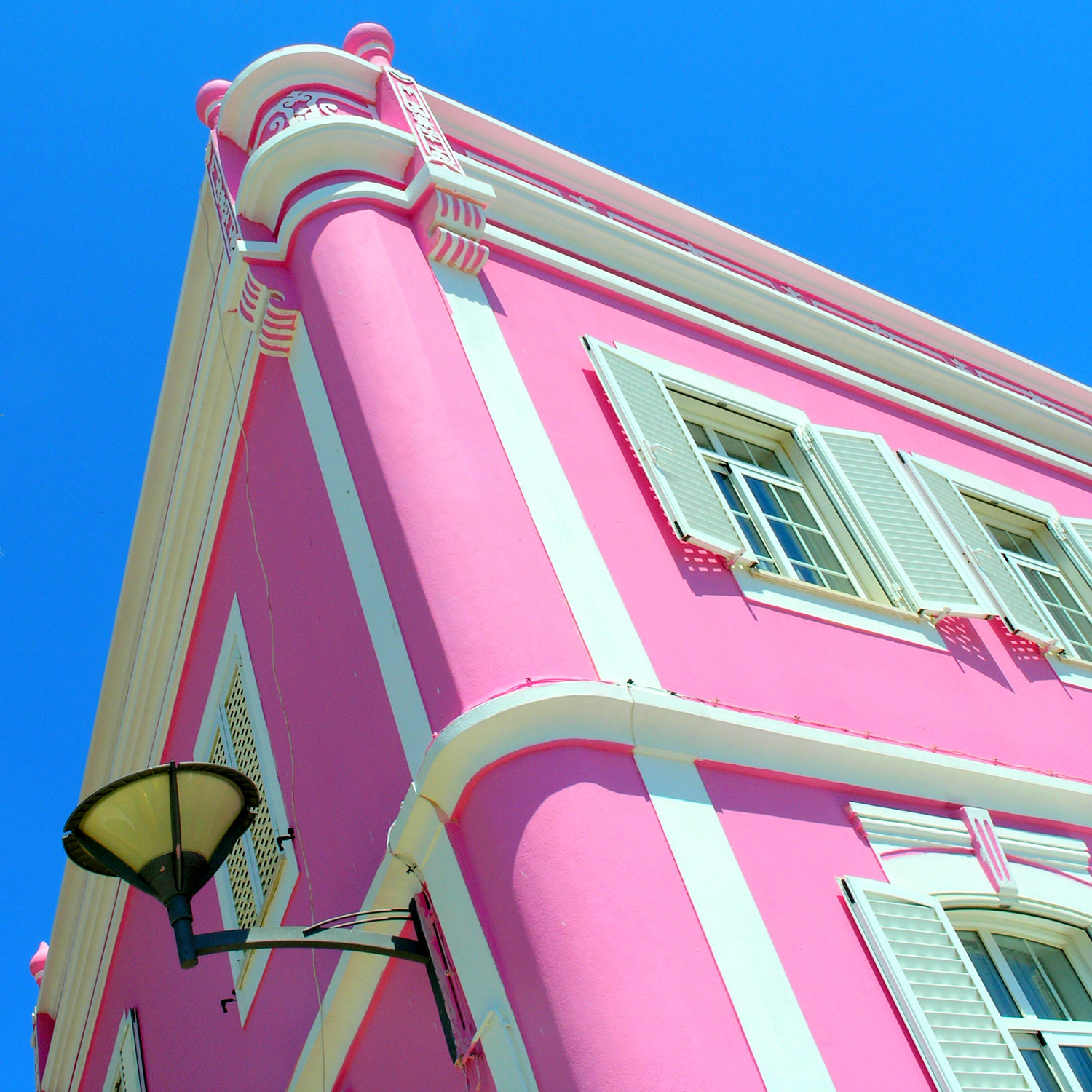
Lagos’ economy, like many coastal towns in Portugal, has always been closely linked to the sea, and fishing has been an important activity since very ancient times. Since 1960, the city has embraced tourism, which has become its most important economic activity. It has beautiful beaches, good climate, the sea, a scenic coastline, and historical patrimony. It also has plenty of cultural and night-life entertainment venues. Many local traditions are celebrated, ranging from architecture to gastronomy and handicrafts.
In gastronomy, there are the local specialties: Dom rodrigos and morgados cookies based on local products, such as almonds, figs and eggs. Lagos is also a wine producing region and is famous for its moscatel wine, and also for a strong alcoholic spirit, the aguardente de medronho, made of berries of strawberry tree.
Beaches
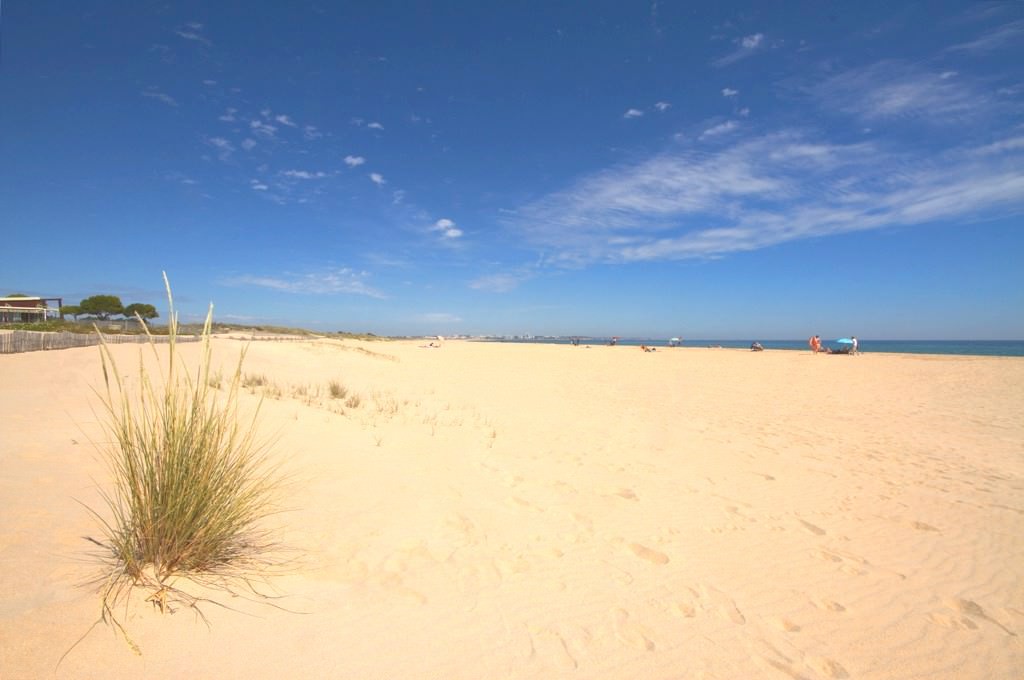
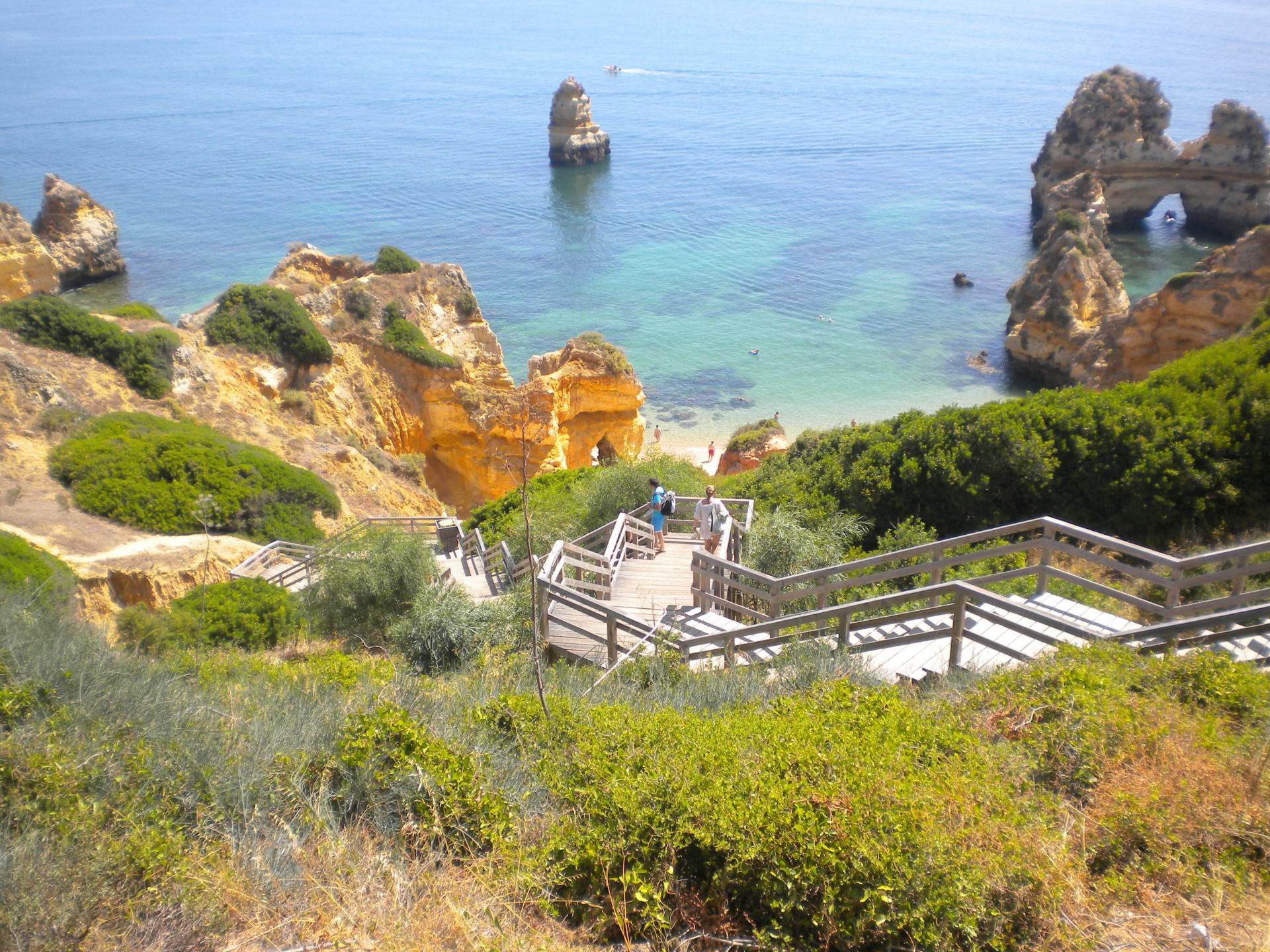
Meia Praia (Half Beach) – With soft and white sand, is one of the biggest bays in Europe and has a calm sea due to its width. Owing to its lack of rocks it is ideal for nautical sports. When the wind is strong, there are many sheltered sand beaches between the cliffs.
Praia Solaria (Sunny Beach).
Praia da Batata (Potato Beach).
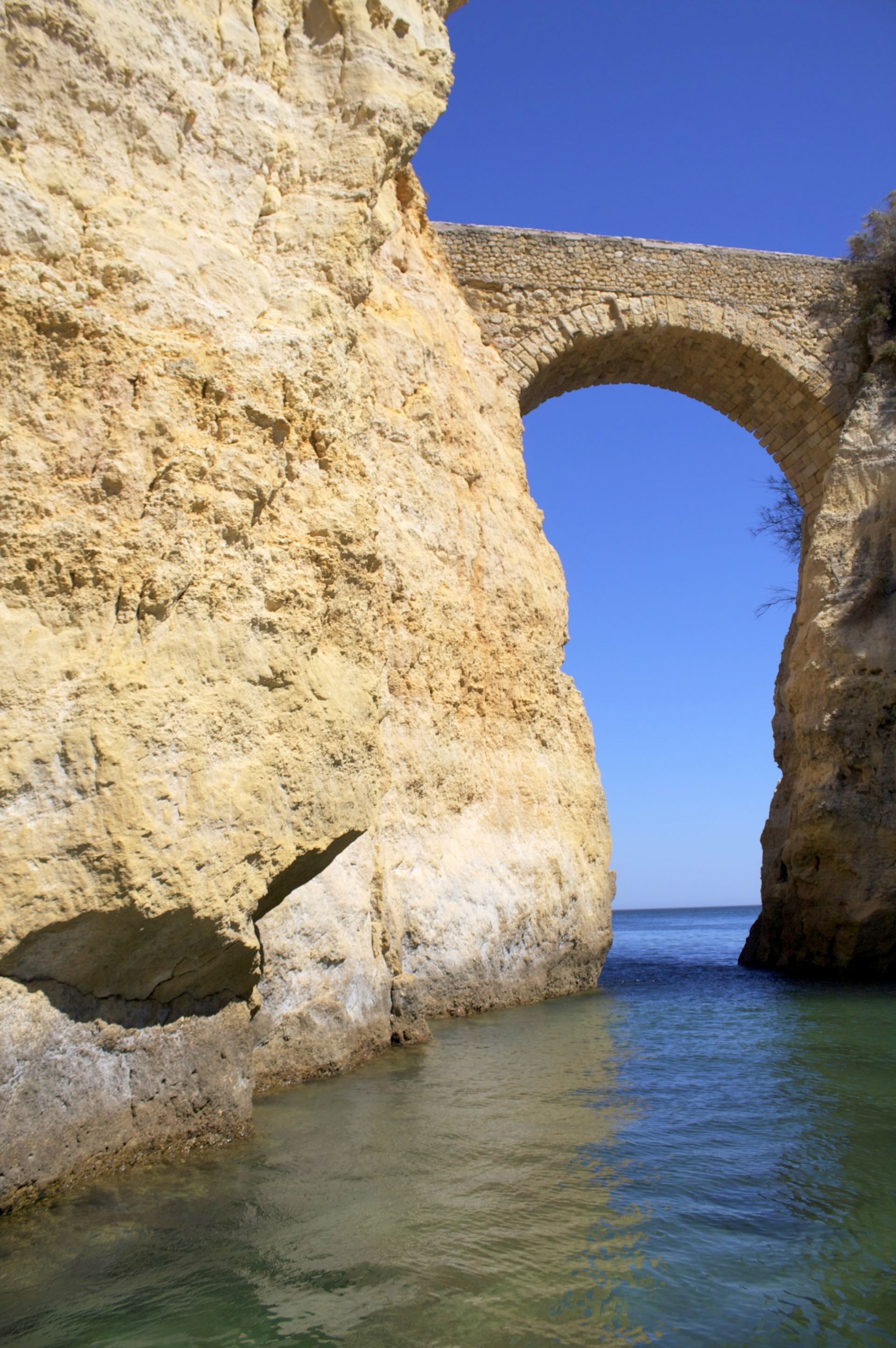
Praia dos Estudantes (Students’ Beach).
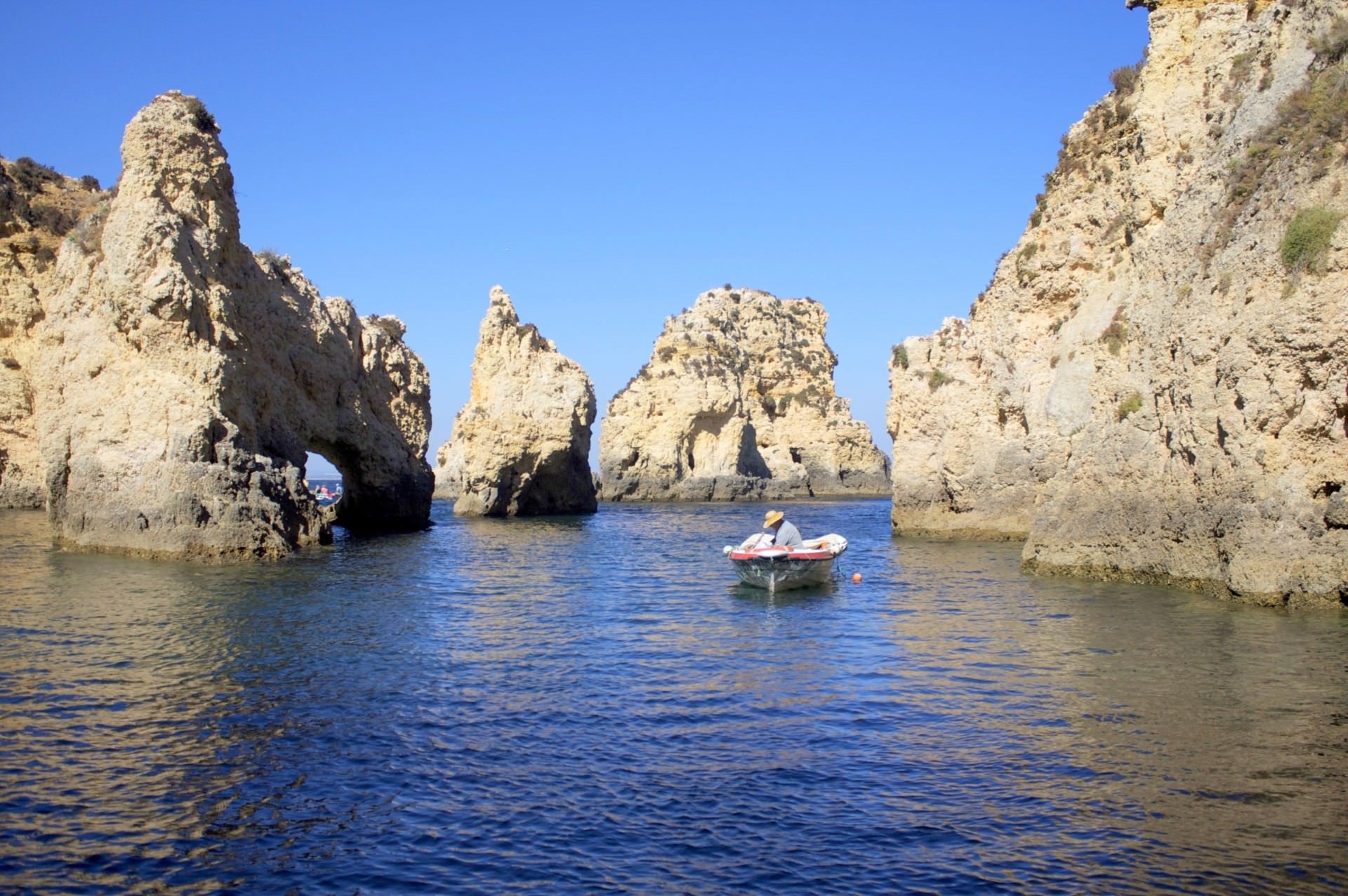
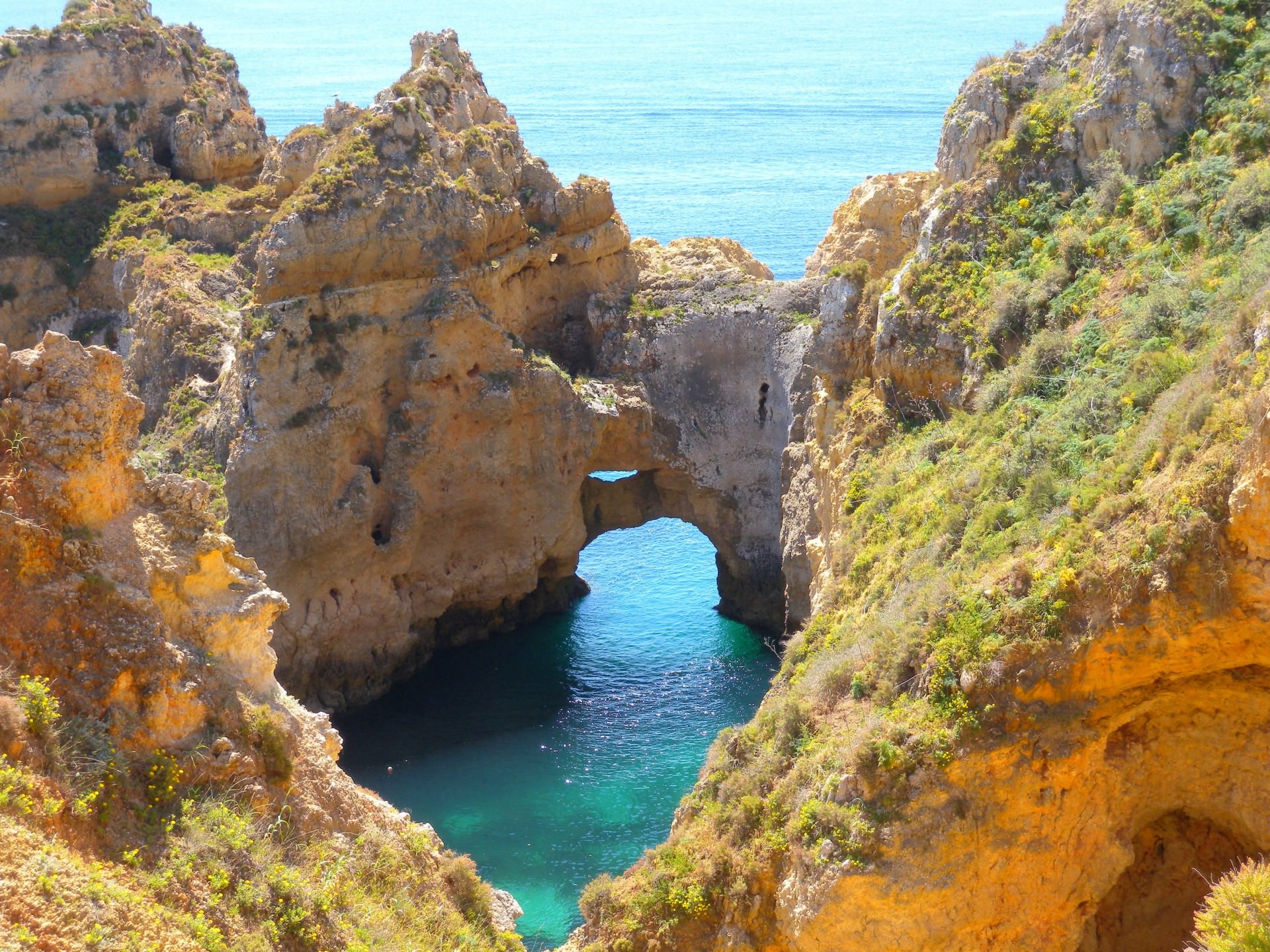
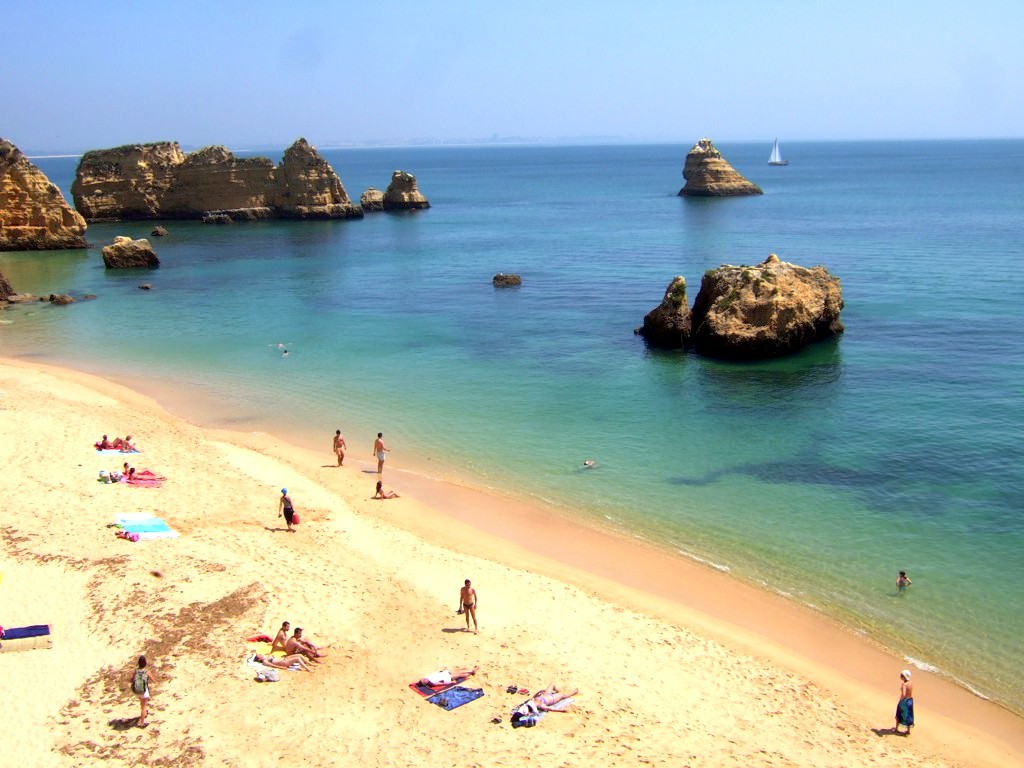
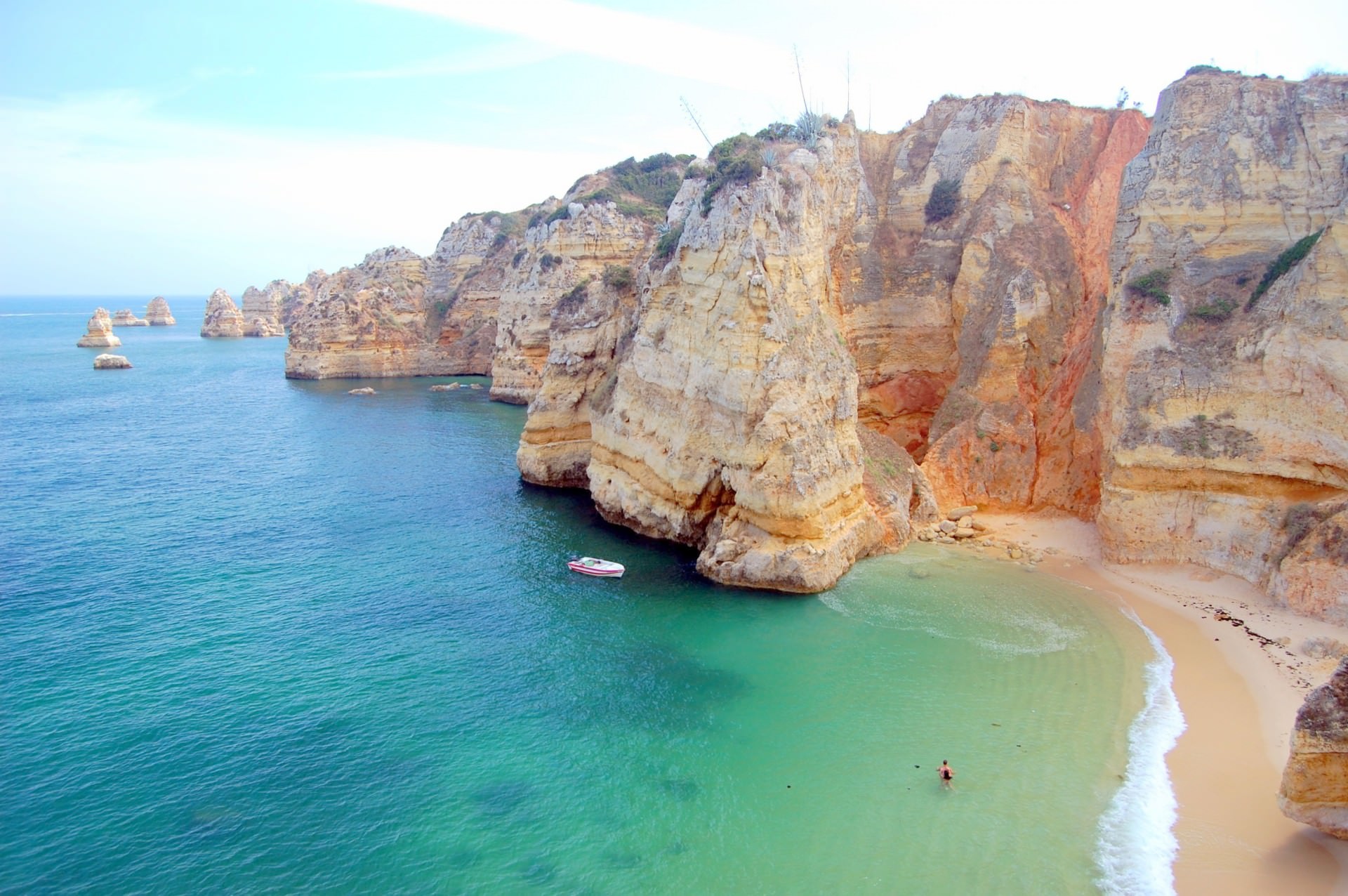
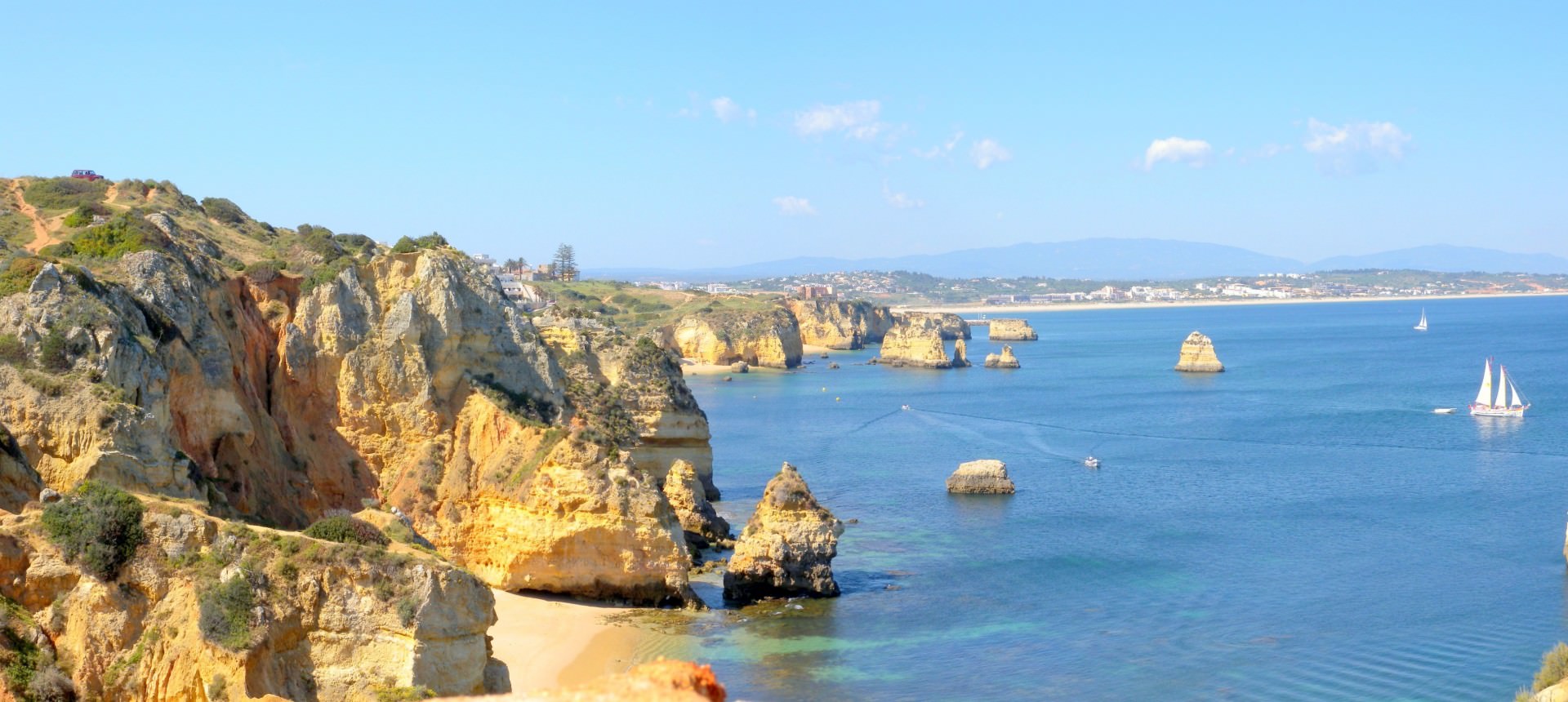
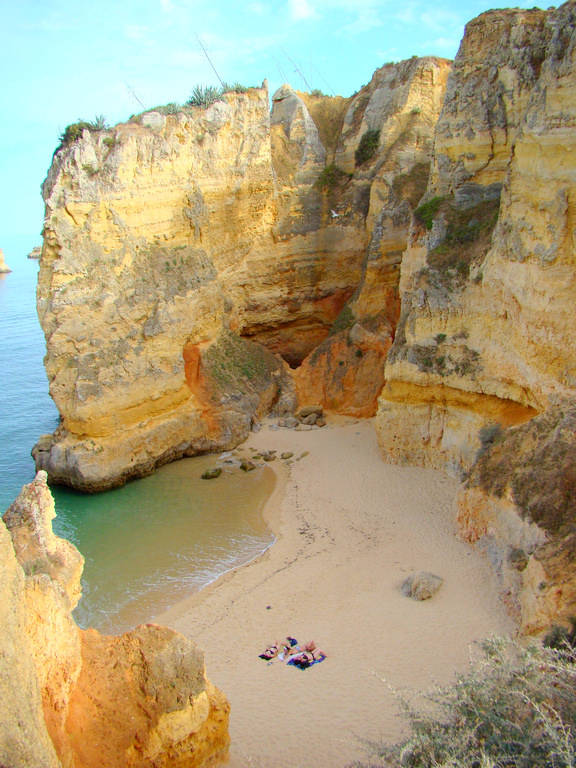
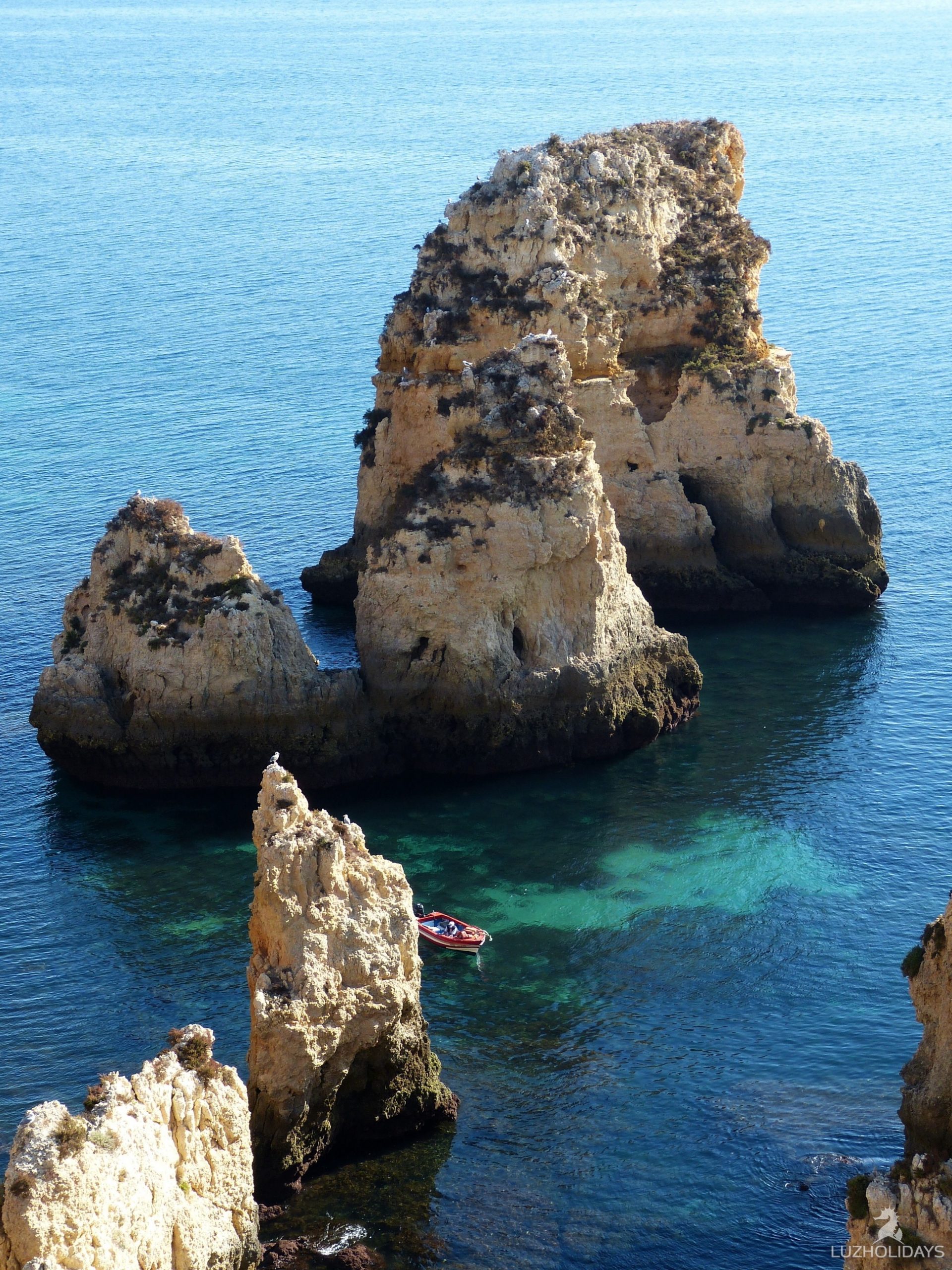
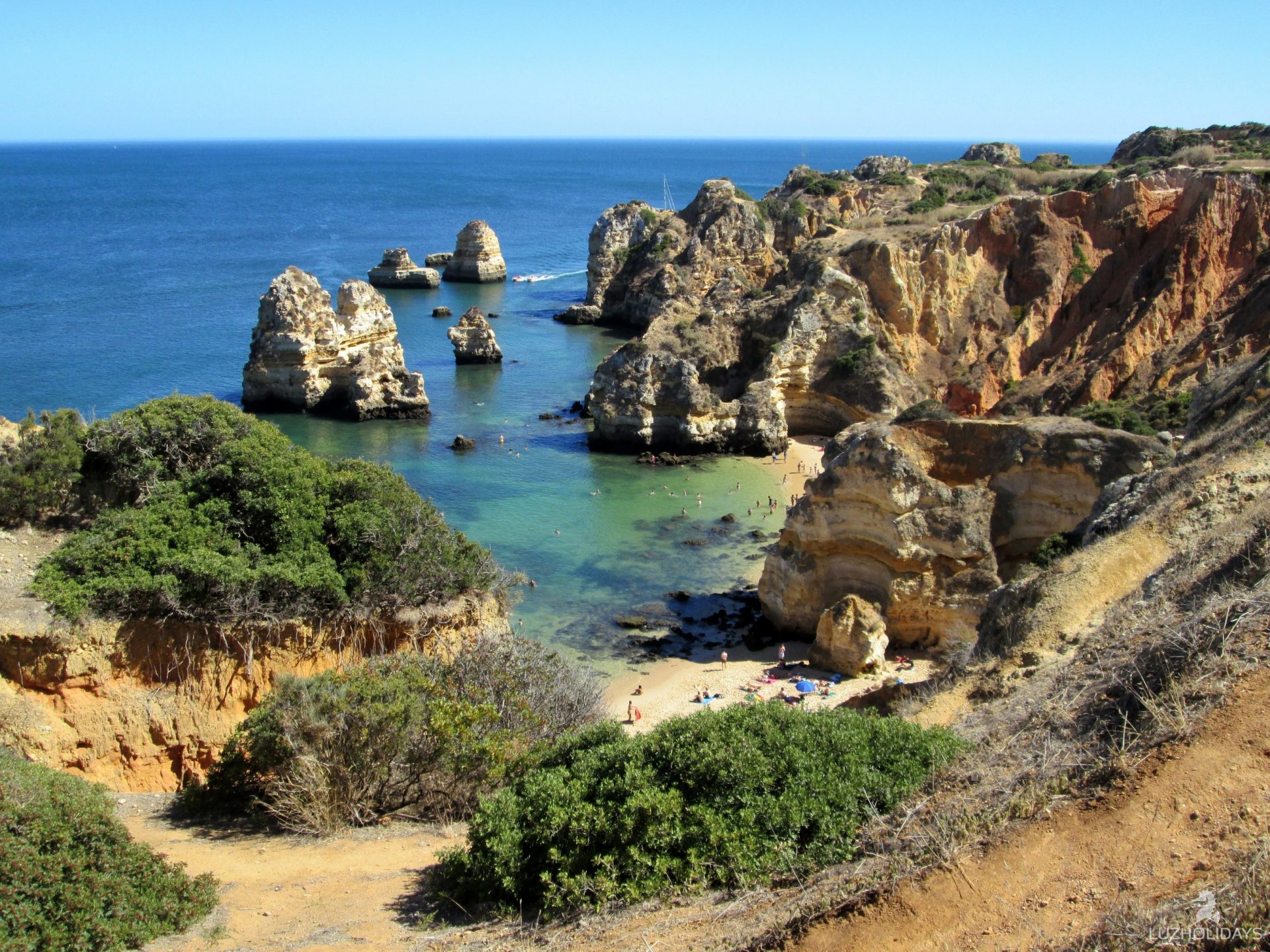
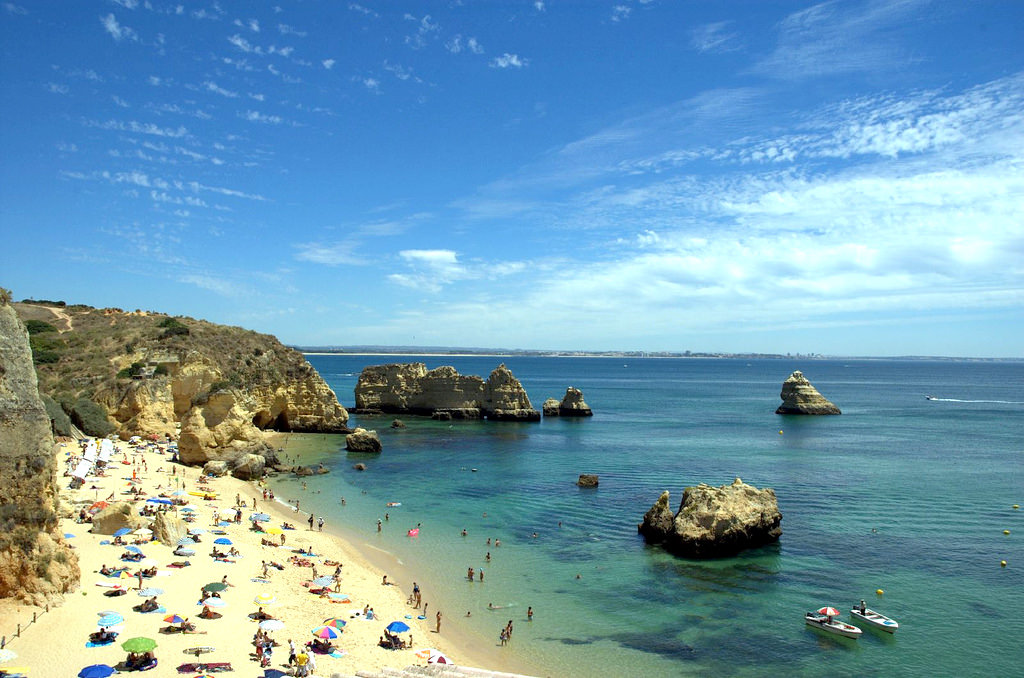
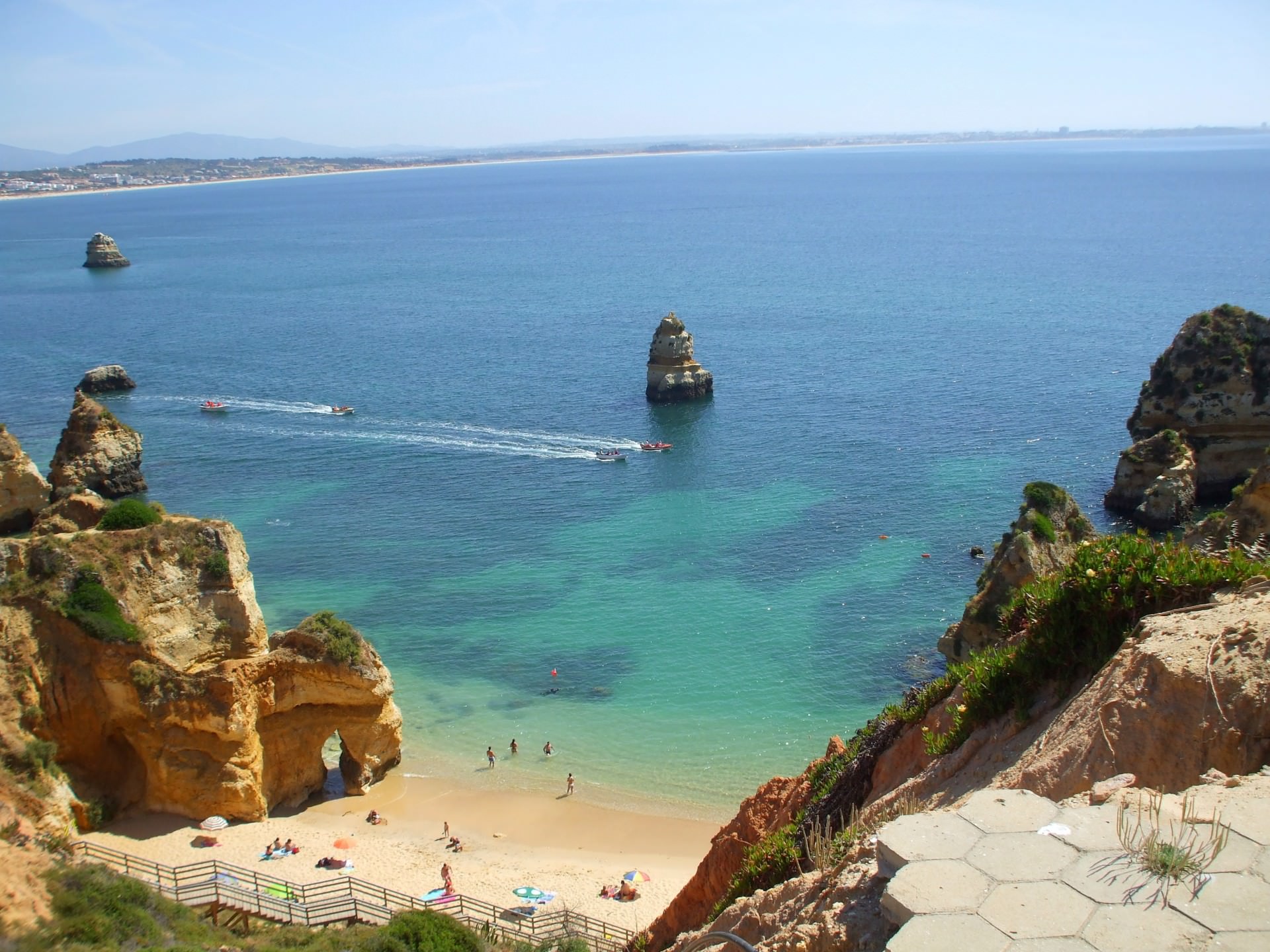
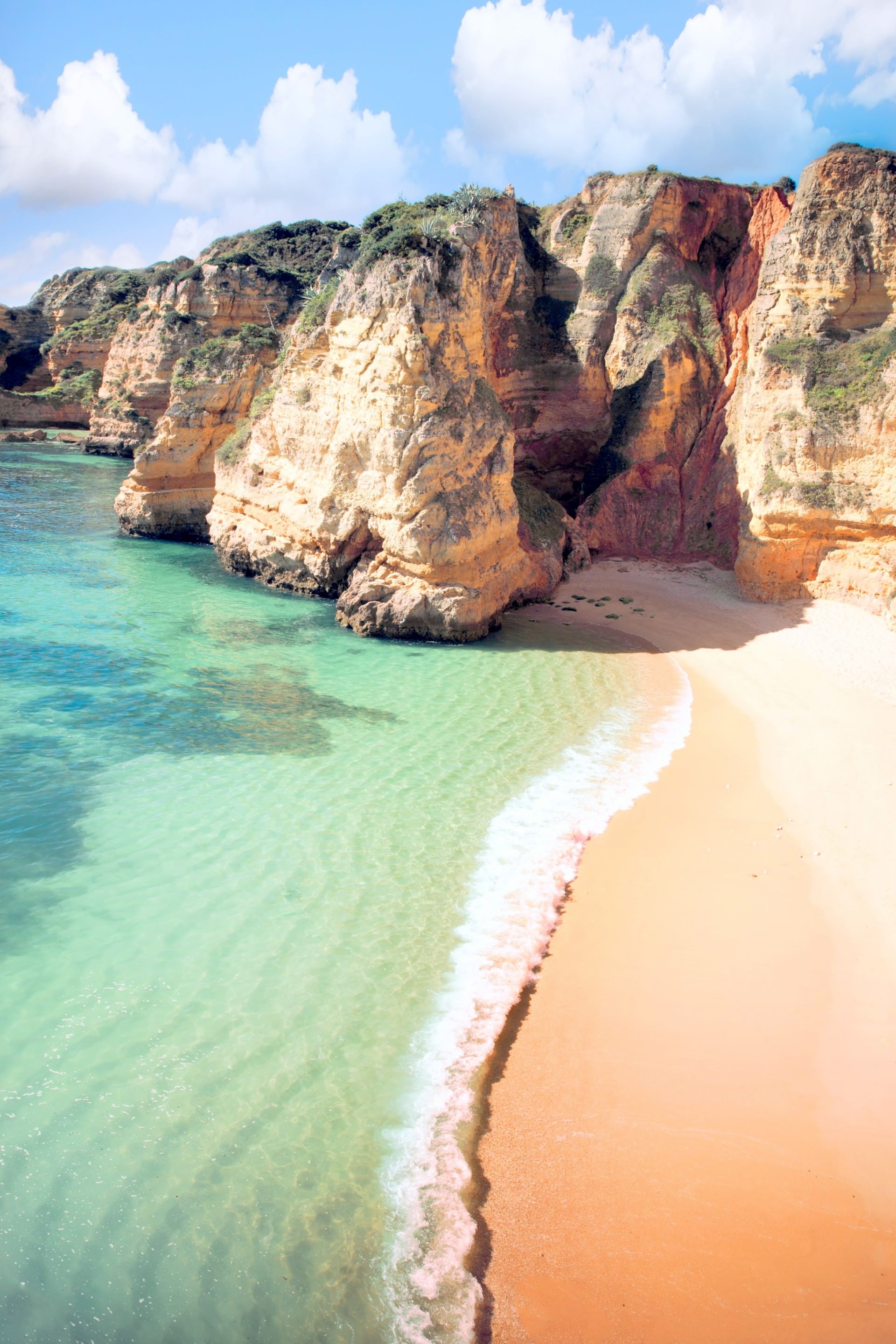
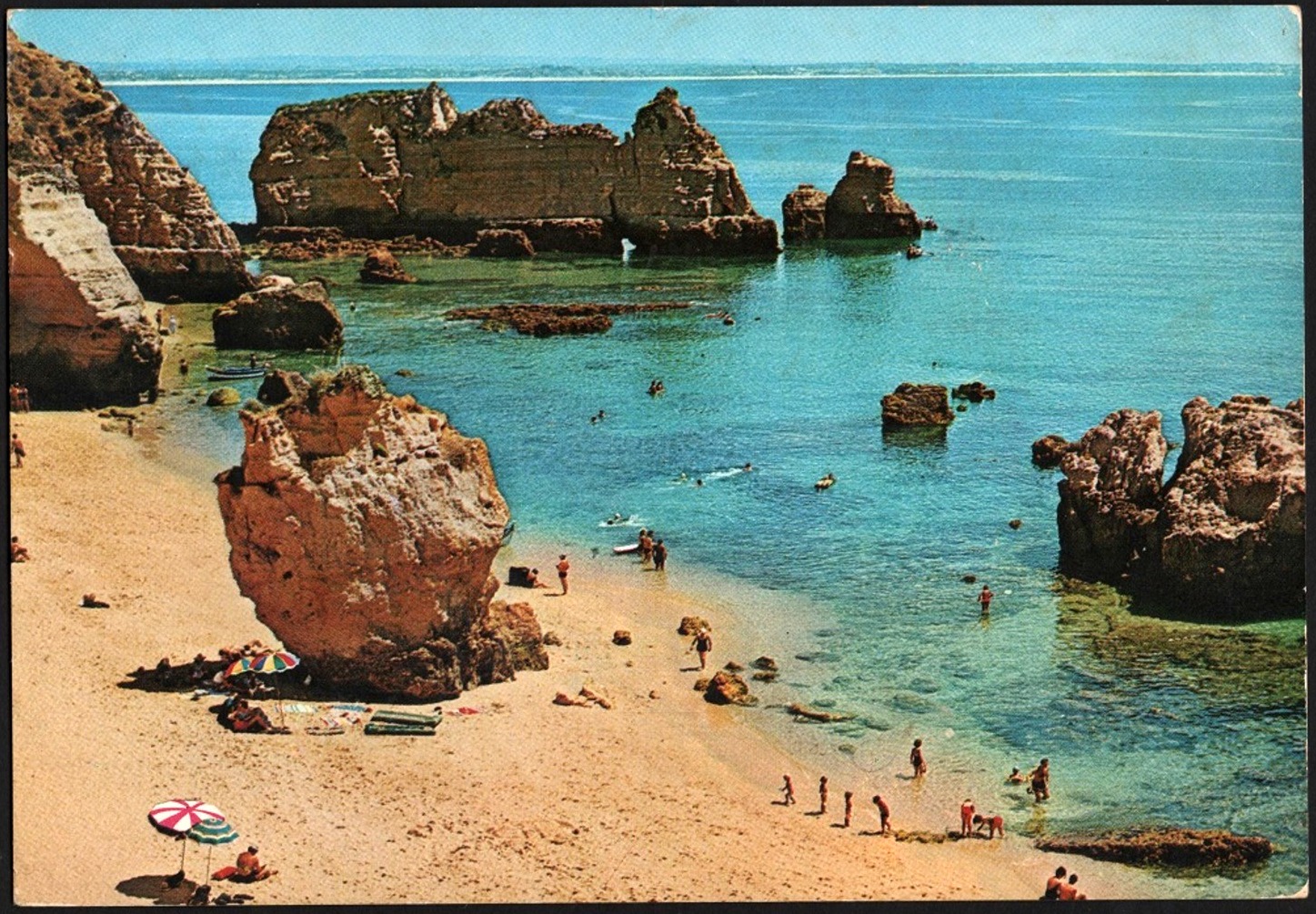
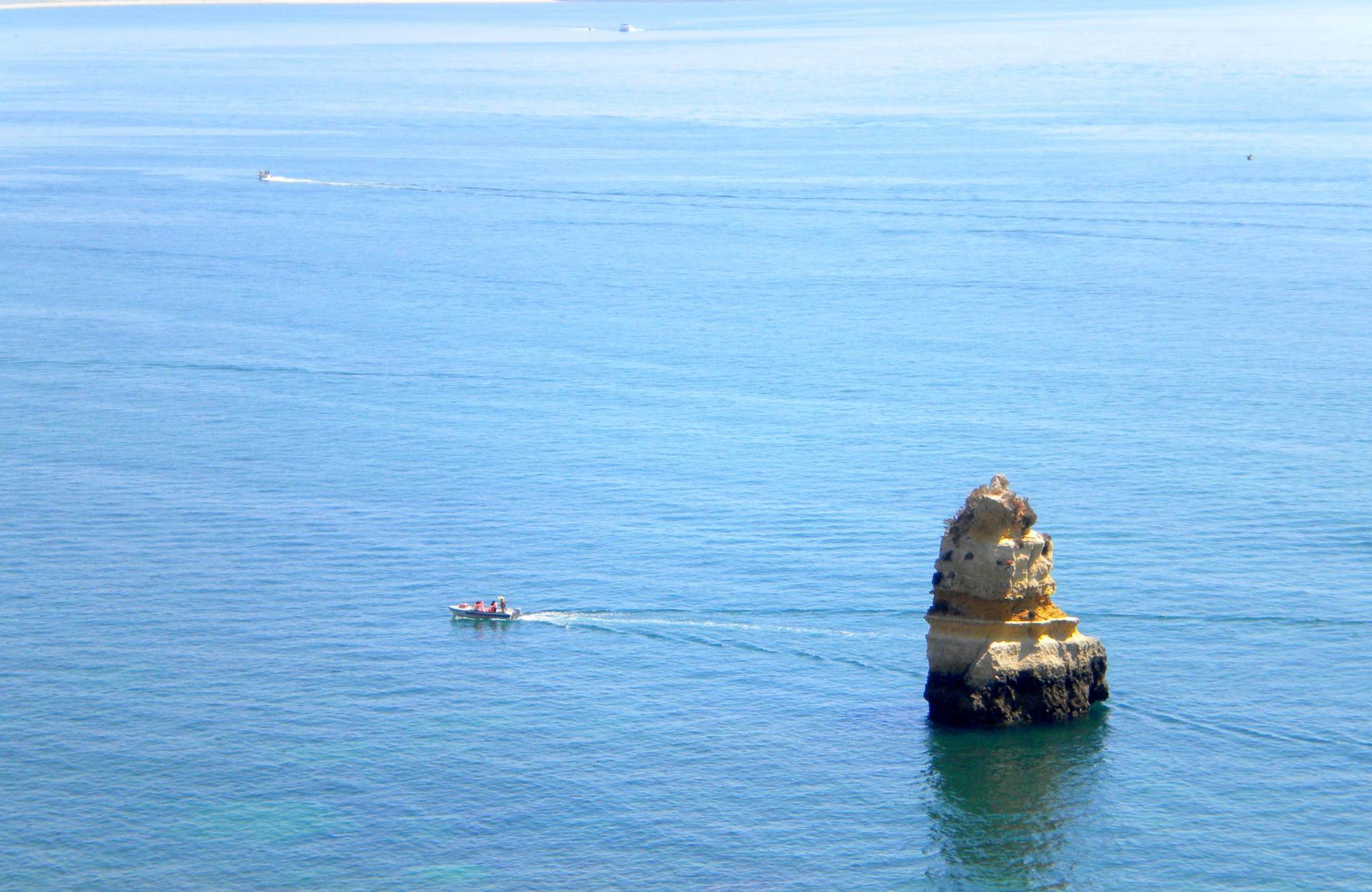
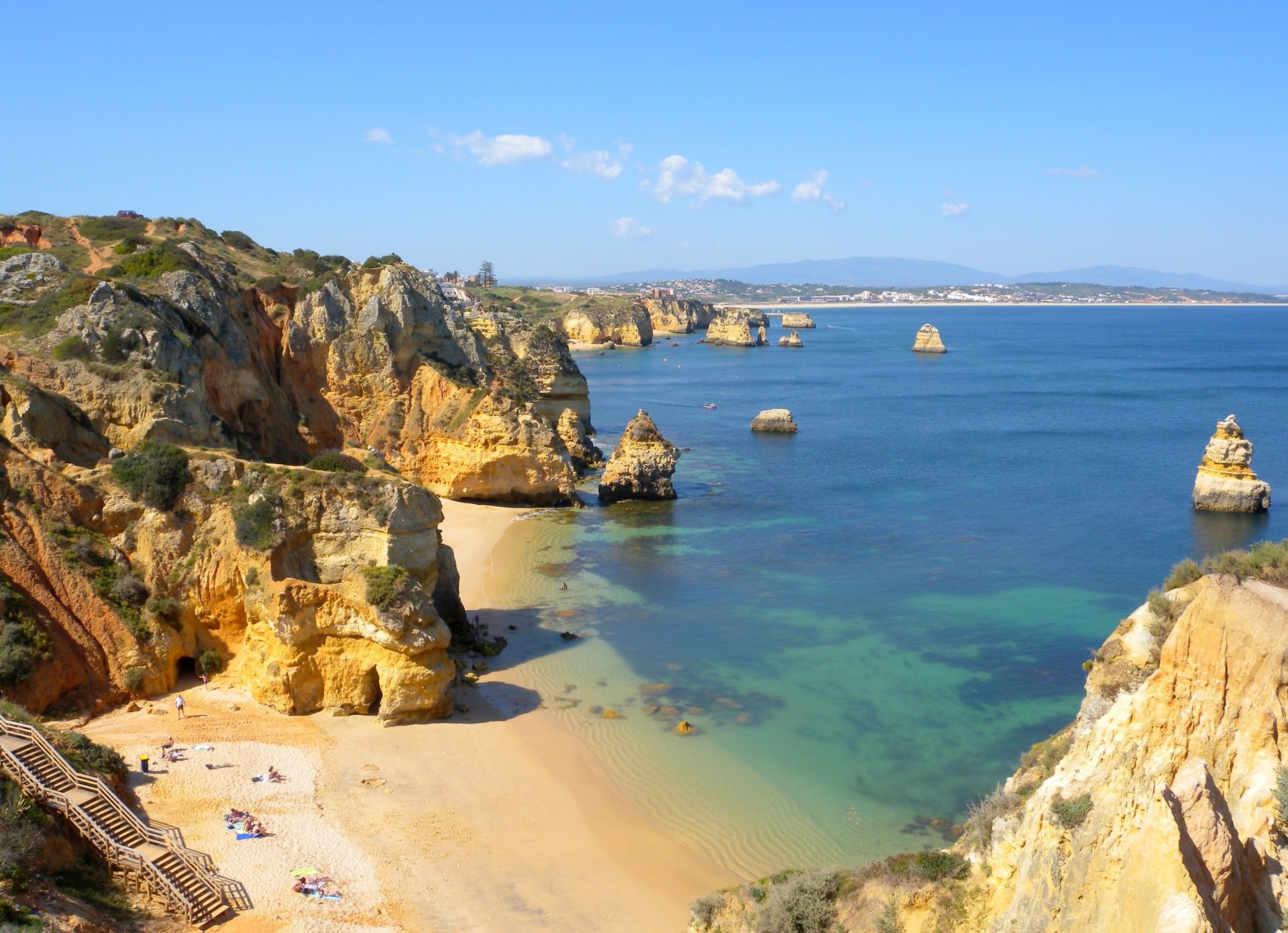
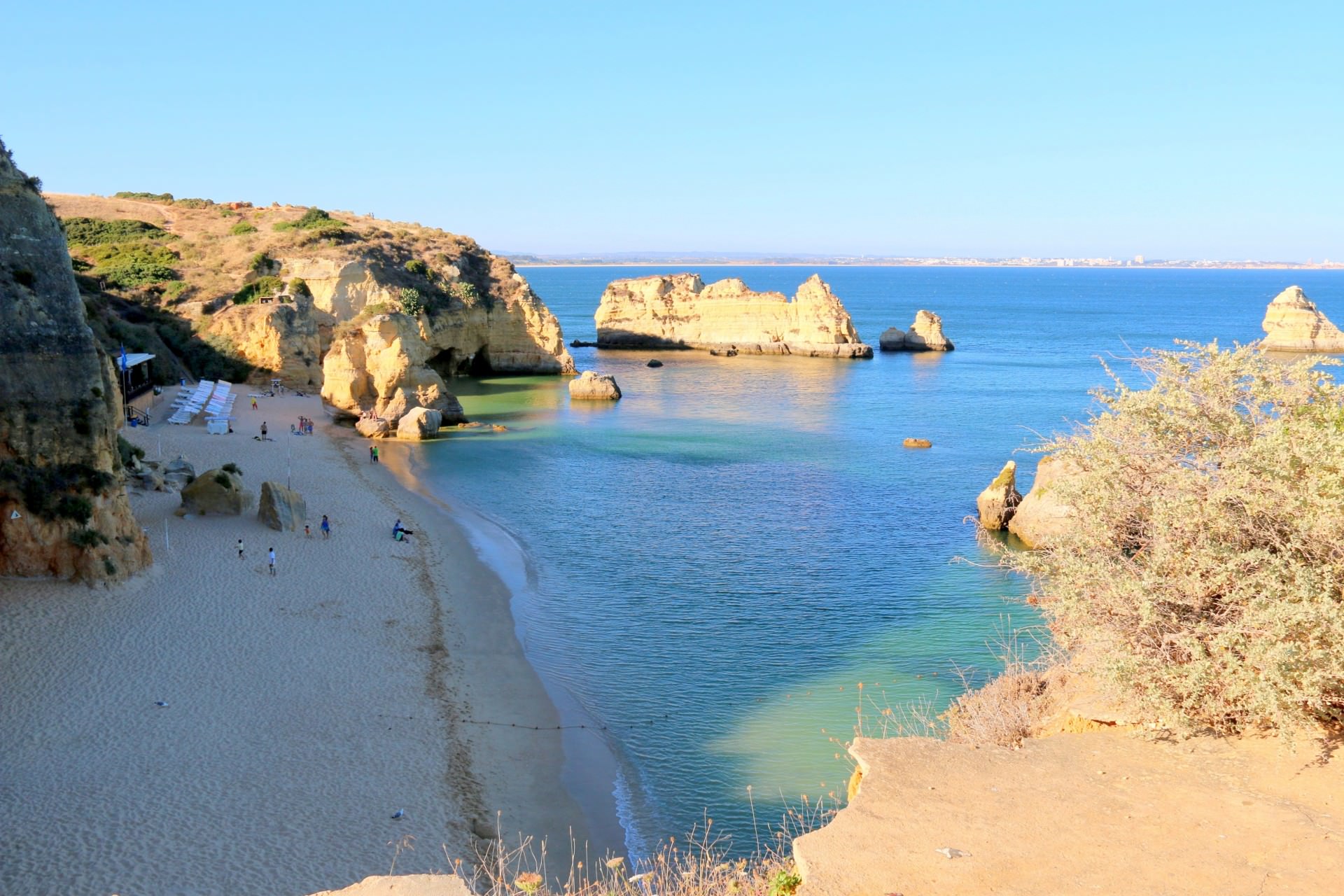
Dona Ana – Probably the beach most frequented by tourists, and for good reason. The sand on Dona Ana is slightly thicker than the beaches in the surrounding area, and the beach itself is bounded by lovely rock formations. Dona Ana is essentially split into two beaches with a protruding cliff separating the two sides at high tide.
Praia da Luz (Light Beach) – A beach in the popular nearby Tourist town of Luz, the beach has watersports facilities and is bounded on its Eastern side by the so-called ‘Rocha Negra’ (Rocha Negra).